Voting Sequence in the General Elections
In the 2026 elections, every eligible Brazilian voter will need to select six representatives. The electronic ballot follows a fixed order that starts with legislative positions and ends with executive ones. Ignoring this sequence can lead to unnecessary null or blank votes.
Why the Order Starts with Deputies
A 2014 legal change reversed the traditional logic. The first vote is now for federal deputy, requiring four digits. Next comes the state or district deputy, which requires five numbers. The goal is to prioritize proportional choices before the more prominent positions.
Senate Renewal and Its Particularities
Unlike 2022, each state will elect two senators in 2026. This means entering two consecutive three-digit numbers. Choosing the same candidate twice automatically nullifies the second option.
Step-by-Step in the Voting Booth
- Federal deputy (4 digits)
- State/district deputy (5 digits)
- First senator (3 digits)
- Second senator (3 digits)
- Governor (2 digits)
- President (2 digits)
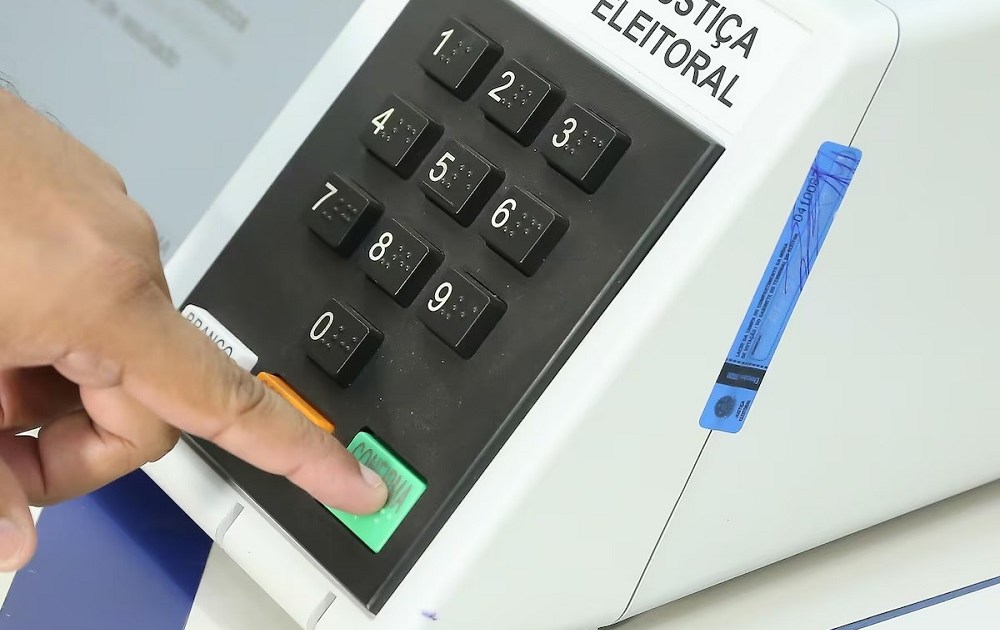
After each confirmation, check the photo, name, and party before pressing the green button.
Practical Precautions During Voting
Using a cell phone inside the booth is prohibited. Write down the numbers on paper before entering. If you make a mistake before confirming, use the orange button to correct. Once confirmed, changes are not possible.
Political Impact of the First Choice
The vote for federal deputy determines the size of the benches and parties' access to the Party Fund. That is why parties insist on distributing “cheat sheets” so voters do not forget the longer numbers.