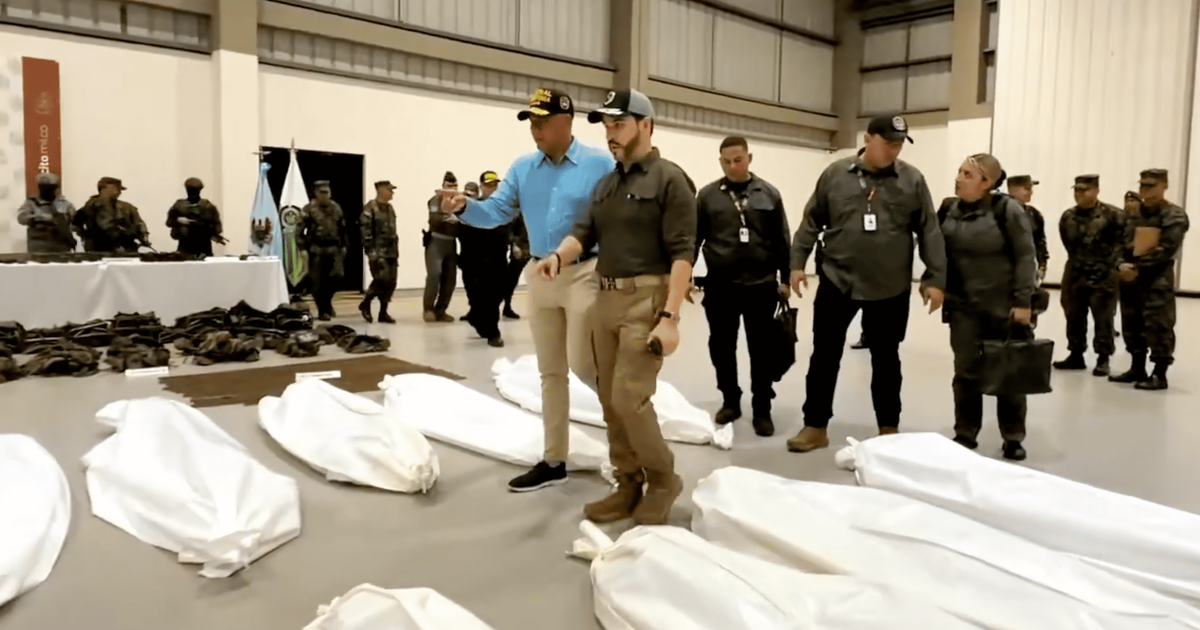
A sequence of images, only a few seconds long, has become one of the most delicate episodes ever faced by Colombia's new government. In them, President Abelardo de la Espriella appears walking calmly among the bodies of alleged guerrillas killed during military operations.
The release of the material triggered a chain reaction that has not yet ended: condemnation from human rights organizations, a divided public opinion and, above all, a court order requiring the videos to be taken down.
What the images reveal
In the recordings, the head of state walks across the terrain where clashes with illegal armed groups are said to have occurred. In the background, the bodies of members of these organizations, killed in actions by the Armed Forces, are visible.
The framing is not accidental. The scene was constructed to be seen, shared and remembered — a deliberate gesture that turns a war setting into a piece of political communication.
The Judiciary's response
The Colombian courts did not take long to speak out. A judicial decision demanded that the content be removed from official platforms, on the grounds that its public exposure exceeds the limits of what is considered acceptable in the dissemination of security operations.
The episode pits against each other two principles that rarely coexist without friction: the governor's freedom of expression and respect for the dignity of the victims, even those killed in combat.
The message it intends to convey
Beyond the immediate impact, the video works as part of a broader strategy. By displaying himself among the bodies, the president reinforces a hard-line rhetoric against the guerrillas, suggesting tangible and rapid results in the fight against armed groups.
This is a language that dispenses with technical communiqués and official reports. The image, in this case, serves as an argument:
- it presents the military action as a concrete victory;
- it associates the government with firmness and authority;
- and it shifts public debate from security policy to symbolic terrain.
Divided reactions
The reception of the material laid bare the country's polarization. Sectors that support the new administration interpreted the scene as proof of determination in the face of groups that, for decades, challenged the State.
On the other side, critics point to the risk of banalization of death, to disrespect for the norms of international humanitarian law and to the effect this type of image can have on the country's credibility abroad.
Human rights organizations have expressed concern about the precedent. According to these entities, turning corpses into a propaganda backdrop opens the door to abuses and makes it harder to investigate possible excesses committed in military operations.
A test for the new government
The case goes beyond a passing controversy and becomes a test of governability. The court order imposes an uncomfortable choice on the president: comply with the decision and retreat publicly, or keep the content and assume the institutional cost of confrontation.
In the first hours after the ruling, the material began to be removed from official platforms — a move that, by itself, already signals the legal dimension of the problem.
What is at stake
More than a dispute over videos, the episode exposes a fundamental question: what is the limit of a government's communication in a context of armed conflict?
The answer to that question will define not only the new president's image, but also his government's relationship with the Judiciary, with international organizations and with Colombian society itself — still deeply marked by decades of violence.
For now, what is known is that a walk among bodies has earned the presidential palace a legal battle and a debate that the country will not be able to close anytime soon.