A Sunday of two trenches
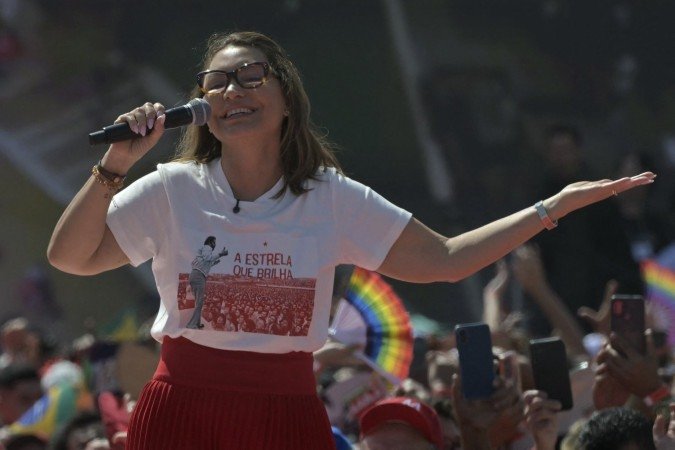
The 13th will be divided between two agendas that reflect Brazil's current political climate. While the Workers' Party organizes a national mobilization to boost the campaign of President Luiz Inácio Lula da Silva, Congressman Nikolas Ferreira has called a protest against Supreme Federal Court Justice Alexandre de Moraes, scheduled to take place in Amapá.
The two fronts are expected to take to the streets at different times and in different cities, but the symbolism is the same: a country still split between antagonistic political projects.
What the PT is preparing
The PT treats the date as part of a broader mobilization strategy. The proposal is to bring militants, leaders, and supporters to the streets to strengthen the government's support base and give muscle to the presidential campaign.
Among the declared objectives are:
- expand the party's territorial presence in states and municipalities;
- bring the grassroots closer to the causes defended by the federal government;
- create an organized counterpoint to opposition demonstrations.
The internal reading is that the mobilization calendar helps keep the electorate engaged and stake out a position amid the advance of adversaries.
The opposition's call
On the other side, Nikolas Ferreira used his social networks to call supporters to a protest in Amapá. The target is Justice Alexandre de Moraes, a figure who has become a central point in the clash between Bolsonarists and the Supreme Court.
The event adds to a series of demonstrations the right has been promoting against the Court's decisions, especially those linked to investigations into attacks on the democratic system.
Streets as a gauge
Simultaneous demonstrations by opposing camps work as a measure of strength. For the PT, turnout serves as an indicator of the pro-government camp's mobilization capacity. For the opposition, the streets represent a way to show that dissatisfaction with the judiciary and the government remains alive.
Experts often recall that crowd numbers are difficult to verify and are frequently disputed by both sides. Even so, the political reading of the number of attendees tends to influence speeches in the following days.
What to watch
Some points should concentrate attention throughout Sunday:
- the actual turnout for the calls in each state;
- the presence of heavyweight leaders at both events;
- the tone of the speeches, which may vary between institutional defense and direct confrontation;
- the fallout on social media, where the narrative dispute tends to be fought in real time.
The 13th, therefore, will not be just a date on the calendar. It will be another chapter in a dispute that is no longer limited to the electoral period and that cuts across the debate over the role of institutions and the country's direction.