Updated Probabilities
The Eurasia Group revised its projections and now assigns 55% chances to President Lula in the presidential election. The figure represents a reduction from the previously estimated 60%, reflecting an increasingly balanced scenario.
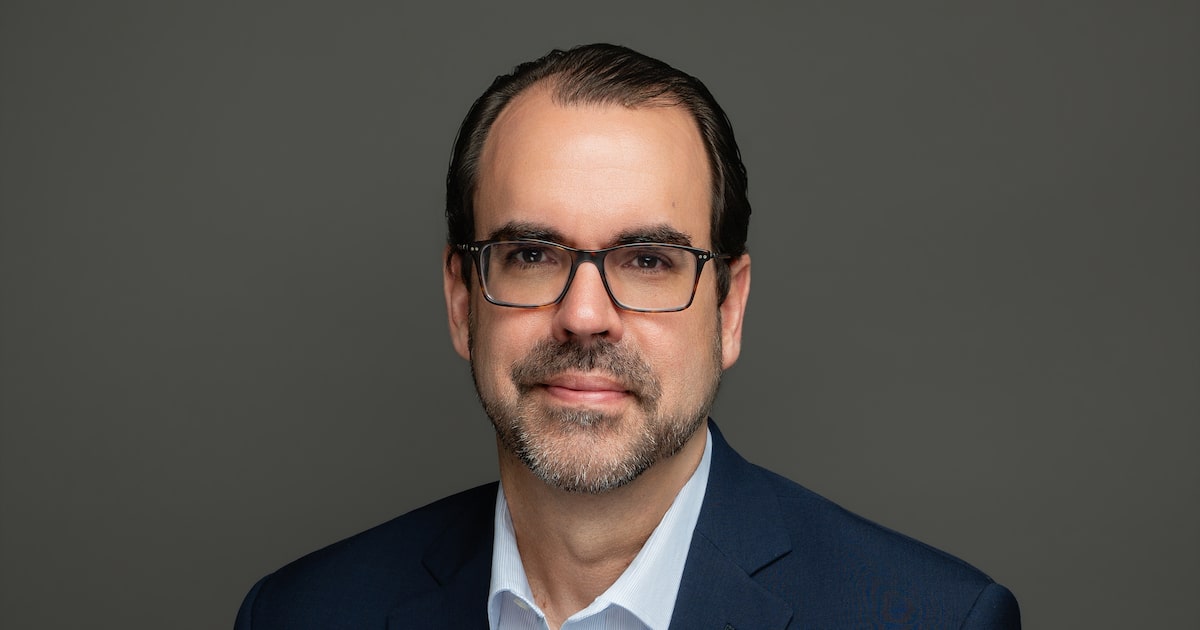
Christopher Garman, the firm's director, explained that internal models point to a virtually tied race. Even so, the consultancy maintains a favorable bias toward the PT candidate due to the advantage of the incumbent and the difficulties faced by Flávio Bolsonaro's campaign.
Impact of Recent News
The crisis involving the Supreme Federal Court has shaken Lula's candidacy in recent weeks. The president's approval ratings fell, contrary to the historical trend of rising during electoral periods. Garman notes, however, that the bleeding in voting intentions appears to have stopped.
Measures such as the ban on sports betting and debt relief for consumers, combined with rumors about Nossa Senhora Aparecida, gave a small boost to the PT campaign in the final stretch of the first round.
- The STF scandal remains on the radar as a risk factor
- The quality of Flávio Bolsonaro's campaign is viewed positively
- Issues such as security and cost of living gain prominence in the Bolsonaro strategy
Economic Scenario and Polls
Concerns over household debt and the decline in consumer confidence work against the current government. Even so, Garman considers that the main factor behind Lula's drop was the news about the Supreme Court, not the economy.
Current polls show a technical tie. The director warns of possible distortions in turnout surveys and respondent profiles, phenomena that historically affect the accuracy of polling institutes.
External Influence
Actions by the American government, according to Garman, have limited impact on the Brazilian contest. Voters assign almost equal responsibility to both sides for the tariffs. Sanctions such as the Magnitsky Act against Minister Alexandre de Moraes could even benefit Lula, but with a smaller effect than the previous year.
The director rules out relevant interference from American technology companies, which would avoid reputational and legal risks by taking sides in the election.