The gamble that turned into a loss
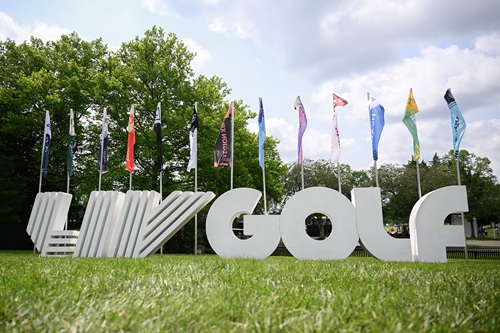
LIV Golf took the field ready to buy its way into the most traditional sport on the planet. A few years and more than US$5 billion in investments later, the balance sheet is ambiguous: well-organized tournaments, a Saudi sporting project that is now more prudent, and a legion of golfers considerably wealthier than before.
The league that promised to bring down the PGA Tour's monopoly, however, could not sustain its own model. The most recent chapter is its filing for bankruptcy protection in the United States, a public acknowledgment that the strategy of burning cash to attract stars had an expiration date.
How it all began
The script was ambitious from the start. With money from the Saudi sovereign fund, LIV Golf built a structure parallel to the American circuit and offered contracts that bordered on the unbelievable. Established names — some at their peak, others at the end of their careers — traded the tradition of century-old tournaments for nine-figure checks.
The immediate result was an open war:
- Suspensions and bans for players who switched sides;
- Legal battles fought in courts in different countries;
- A split that divided fans, sponsors and the very top of world golf.
For a brief period, it felt as though the establishment had been cornered. That is not what happened.
The deal that cooled the dispute
The turning point came when the PGA Tour and the Saudi fund announced an unexpected truce. Instead of continuing the fight, the parties signaled an integration — a move that, in practice, emptied the confrontational narrative that sustained LIV.
From then on, the league lost its main commercial argument: it was no longer the rebel alternative, but merely another product in a market it had itself helped to saturate. Without the narrative of rupture, interest from audiences and advertisers withered.
What remains of the experiment
Not everything was wasted. LIV's tournaments introduced a more dynamic format, with teams, shorter rounds and broadcasts designed for a younger audience — ideas that now influence traditional circuits.
The most visible impact, however, is in the athletes' pockets. An entire generation of players secured wealth they would hardly have achieved by following the conventional career path. From an individual financial standpoint, the bet paid off for those who signed.
For the Saudis, the legacy is different: the realization that buying sporting relevance requires more than an unlimited budget. The project is still alive, but with a different tone — less rupture, more diplomacy, more caution.
The next steps
The restructuring in the United States should define the league's real size from here on. Among the hypotheses under discussion are a reduced calendar, the renegotiation of broadcast contracts and a more formal rapprochement with the circuits it tried to replace.
What seems definitive is the end of an era: the idea that money alone was enough to rewrite the rules of a century-old sport. LIV Golf proved it is possible to attract stars overnight. Proving it is possible to keep them — and sustain the business — is another story, far harder to tell.