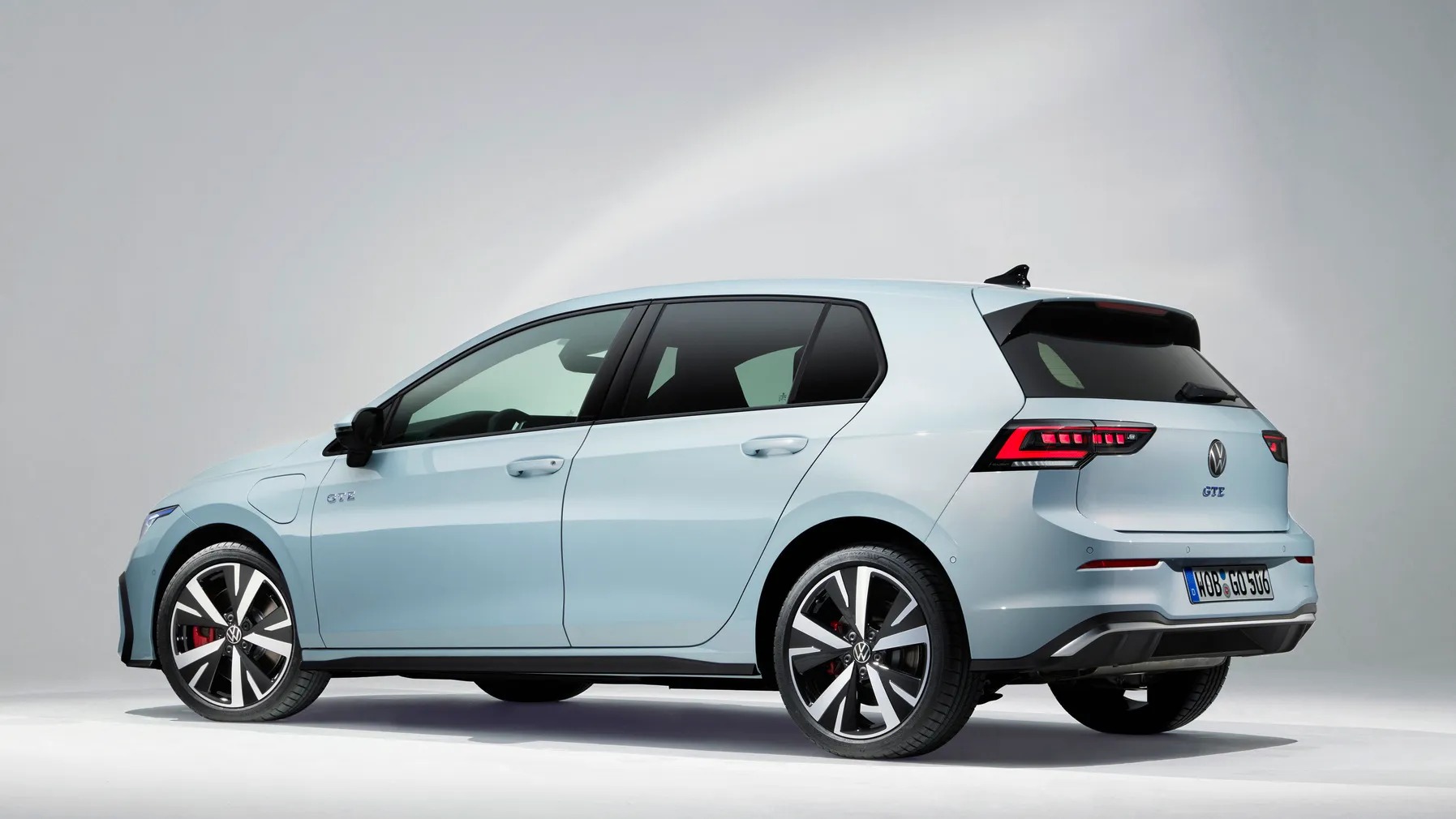
Volkswagen's bet on the energy transition
Volkswagen has presented the Golf Hybrid, the first model to debut its new full hybrid architecture. The solution combines a 1.5 TSI combustion engine with two electric motors and a 1.6 kWh battery, a set that delivers 170 hp of power and requires no plug-in charging.
The package draws attention for one number: the German compact sedan is capable of achieving up to 21.7 km/l, a figure obtained thanks to intelligent management between the energy sources.
How the system works
Unlike the plug-in hybrids the brand already sold, this configuration requires no cables or charging stations. The battery energy is replenished exclusively by the combustion engine and by regenerative braking, which turns the deceleration movement into electricity.
The two electric motors play complementary roles:
- one of them is responsible for starting the combustion engine and generating energy;
- the other handles moving the car on its own at low speeds and assisting the 1.5 TSI during accelerations.
This division of tasks allows the Golf to run in pure electric mode on short urban stretches, reducing consumption and emissions without the driver having to change their habits.
Three automatic operating modes
The system switches on its own between three distinct configurations, always seeking the best balance between performance and economy:
- electric mode: used in maneuvers and gentle starts, when power demand is low;
- combined mode: the electric motors and the 1.5 TSI work together to deliver the 170 hp;
- regenerative mode: during decelerations and braking, kinetic energy returns to the battery.
The transition occurs imperceptibly, without driver intervention. There are no buttons to choose the propulsion source — the electronic control unit decides everything in real time.
Why the battery is small
The reduced size of the accumulator, only 1.6 kWh, is intentional. Volkswagen's strategy is not to offer long stretches of electric driving, but rather to use electricity as constant support for the combustion engine. This makes the set cheaper, reduces weight and avoids dependence on charging infrastructure.
The result is a hybrid that behaves like a conventional car in the driver's routine, but with much lower fuel consumption — and without the extra cost of a larger plug-in system.
Echoes in Brazil
The move is directly relevant to the Brazilian market. The technology has the potential to equip the national successor to the Taos, an SUV that Volkswagen produces in the country and that should get a new electrified generation in the coming years.
If the strategy is confirmed, Brazil would then have a mid-size SUV using a full hybrid, with no need for external charging — a format more suited to the reality of local infrastructure than traditional plug-ins.
What to watch from now on
The arrival of the Golf Hybrid signals that Volkswagen intends to popularize electrification without requiring radical changes from consumers. It remains to be seen whether the 21.7 km/l performance holds up in real traffic conditions and how the brand will adapt the set to the particularities of ethanol, the fuel that dominates the Brazilian market.
If the answer is positive, the full hybrid could become the most viable path to electrify the national fleet without depending on a charging network that is still in its infancy in the country.