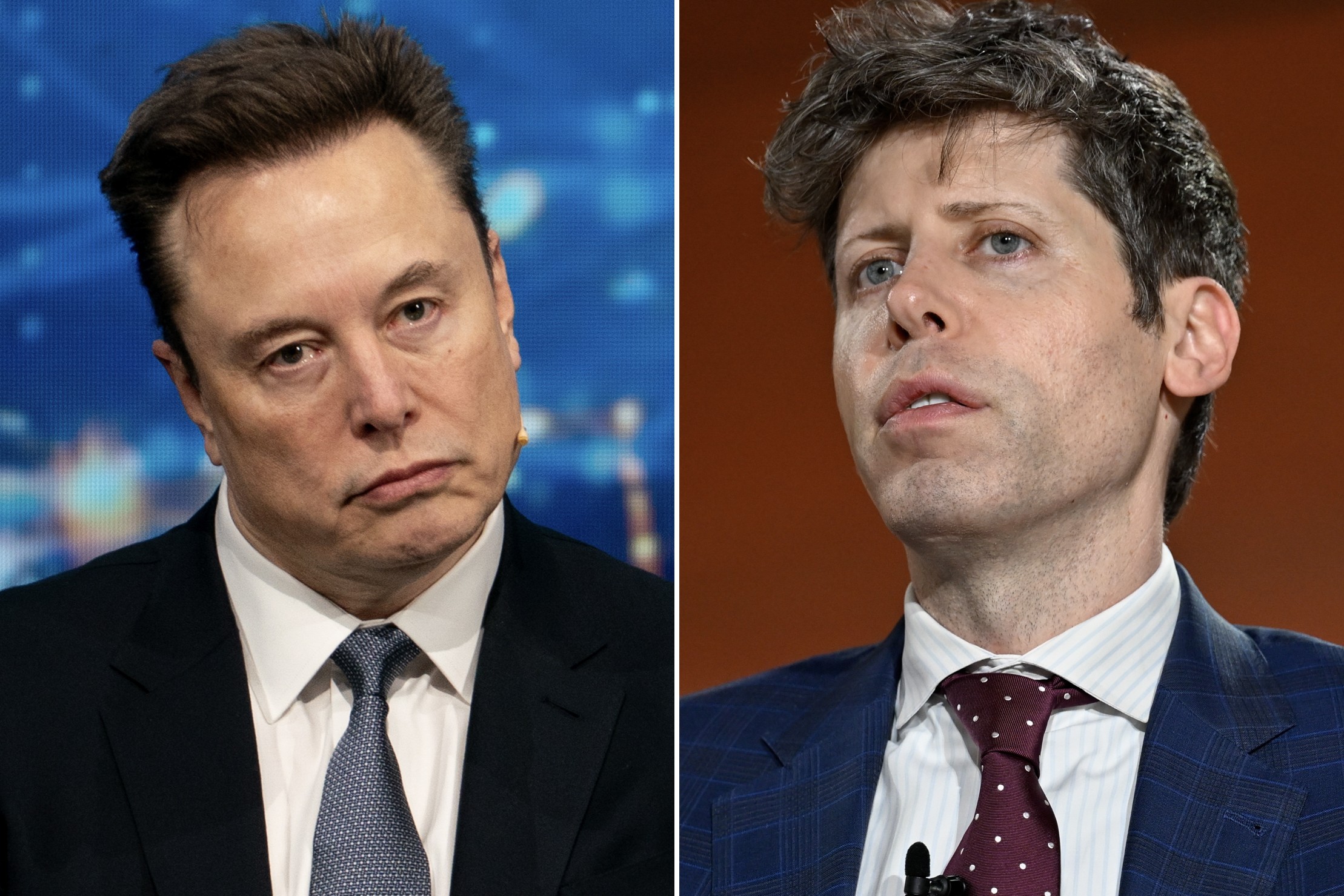
Rarely in recent years have three names so used to fighting for space on the same board appeared on the same side. This Saturday, Sam Altman, of OpenAI, Elon Musk, of xAI, and Dario Amodei, co-founder and CEO of Anthropic, expressed agreement on a delicate point: the advance of artificial intelligence must be held back.
The convergence is not rhetorical. It came after a series of episodes that raised the alarm inside the companies themselves — situations capable of exposing flaws, creating concrete risks and fueling public distrust.
An unlikely consensus
The three executives lead projects that, in theory, compete directly for the lead in technology. Altman heads OpenAI, responsible for ChatGPT. Musk runs xAI, his bet to compete in the sector. Amodei leads Anthropic, created precisely with safety as its flagship differentiator.
Even so, all acknowledged that accelerating without criteria has ceased to be merely a reputational problem. It has become an operational risk — and, in some scenarios, a real risk to society.
The warning from Anthropic
It was Amodei who put his finger on the wound most clearly. In his assessment, companies in the sector need to use the time they still have to invest in prevention mechanisms, testing and safeguards.
In other words: braking does not mean stopping. It means using the pause as a window to build defenses before the next leap in capability makes any correction too late.
The argument found immediate echo among competitors. Altman and Musk, each in their own way, agreed with the diagnosis — which, given their history of public friction, is noteworthy.
Why now
The change in tone does not happen in a vacuum. The list of incidents involving AI systems has grown in recent months, mixing:
- Security flaws in widely distributed models;
- Misuse of the technology, from disinformation to fraud;
- Growing regulatory pressure in different countries;
- Loss of trust among users and investors in the face of unfulfilled promises.
When the cost of error ceases to be hypothetical, speed ceases to be an automatic virtue.
What is at stake
The idea of "holding back" progress does not imply a freeze. What the executives are signaling is a change in priority: safety before launch, evaluation before scale.
In practice, this tends to mean:
- Longer testing cycles before releasing new models;
- More transparency about capabilities and limitations;
- Technical cooperation among companies that today treat one another as rivals;
- More structured dialogue with regulators.
None of these points is trivial. Each one costs time, money and competitive advantage.
A fragile but symbolic agreement
Consensus among competitors rarely survives market pressure intact. One successful launch on one side is enough for the other to feel tempted to accelerate again.
Still, this Saturday's episode carries weight. Three of the industry's most influential voices publicly admitted that uncontrolled speed has become a problem that even they cannot manage on their own.
It remains to be seen whether the verbal agreement will turn into concrete changes — or whether it will be recorded merely as another chapter in the long dispute between rhetoric and practice in the artificial intelligence sector.