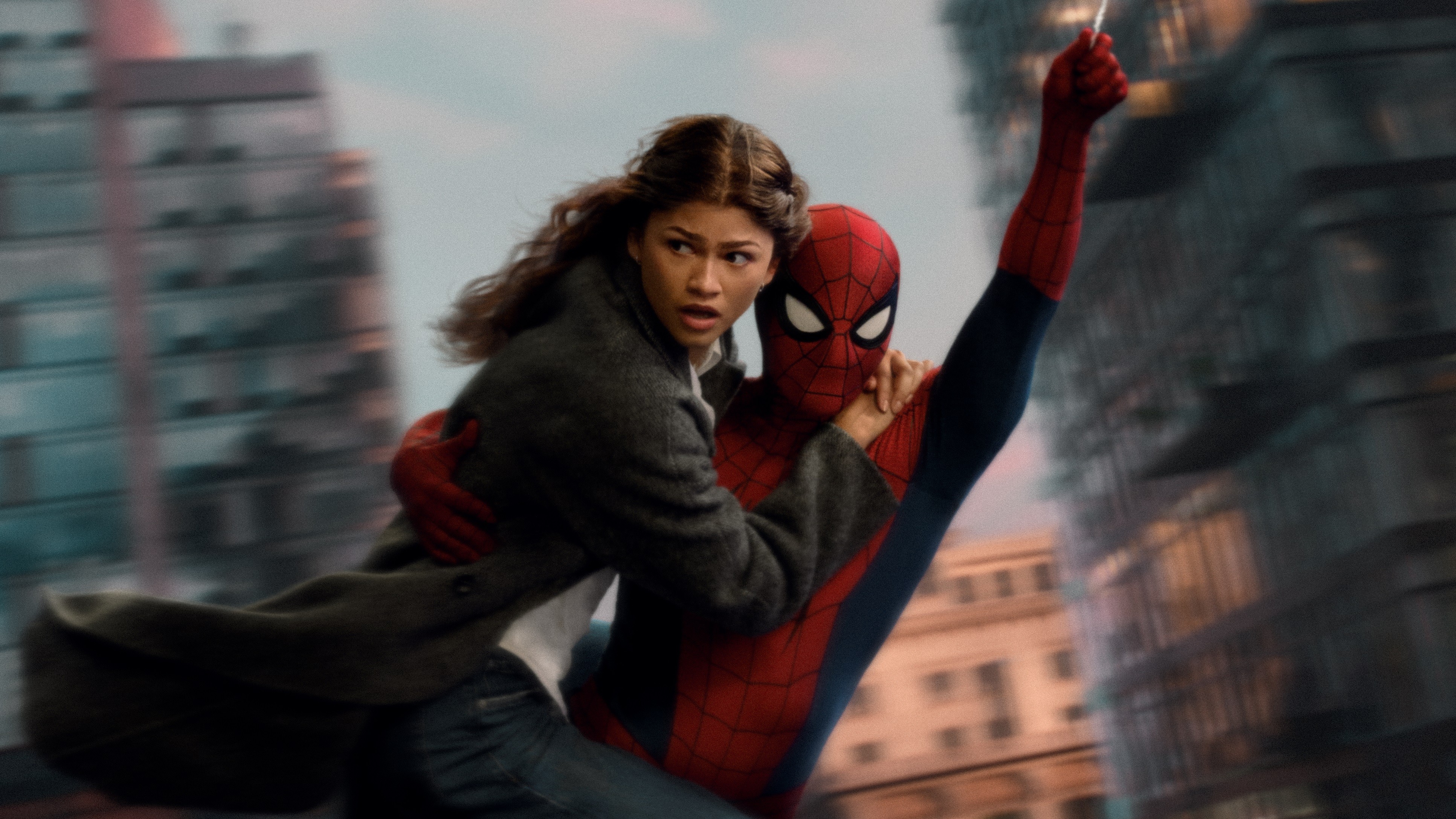
Few characters born from comics have crossed so many generations in audiovisual media as Spider-Man. From the teenager bitten by a radioactive spider in Queens to the most recent multiversal adventures, the webhead has established himself as one of the rare heroes capable of reinventing himself without losing his soul — and, according to those who know the subject, the explanation has less to do with powers and much more to do with fragility.
A turning point that redrew Hollywood
In the early 2000s, titles like "X-Men" (2000), "Spider-Man" (2002) and "Batman Begins" (2005) proved that comic book adaptations could be taken seriously — and be profitable. Nearly two decades later, the cycle closed in grand style with "Black Panther" (2018), "Joker" (2019) and "Avengers: Endgame" (2019), works that turned the genre into a cultural and box-office phenomenon.
It was in that interval that superhero cinema went from being a niche to becoming the heart of the industry. And, amid so many names, Spidey remained the most insistent of survivors.
The detail that changes everything
For a Brazilian comic book artist who worked at Marvel, the key to the fascination is simple and almost banal: the audience doesn't identify with the hero, but with the boy behind the mask.
"It's not Spider-Man that makes us go to the movies, it's Peter Parker," he sums up.
The phrase explains a lot. Peter has bills to pay, grades to recover, relationships that go wrong and an enormous guilt to carry. Unlike billionaires with armor or gods of thunder, he stumbles — and he stumbles like any one of us. It's this realism that gives weight to every choice.
Chemistry that crosses the screen
Another decisive factor in the most recent era is the couple formed by Tom Holland and Zendaya. The interpreter of Peter and the actress who brings MJ to life built a partnership that began on set and overflowed into real life, creating an immediate connection with young audiences.
The chemistry between the two helped sustain the trilogy that began with "Homecoming" (2017) and turn moments of tension into genuinely emotional scenes — something rare in big-budget productions.
Action with consequences
The action sequences also changed tone. Instead of gratuitous spectacle, the Spider-Man films bet on choreography that expresses the protagonist's emotional state:
- the acrobatic agility that translates the hero's youth;
- the falls and mistakes that show his inexperience;
- the impossible rescues that exact a dramatic price;
- the confrontations in which saving people matters more than defeating villains.
This care makes the viewer feel the impact of every blow, not just see the digital effect on screen.
A hero who still has room to grow
The franchise has already gone through three actors in cinema — Tobey Maguire, Andrew Garfield and Tom Holland — in addition to shining in animation with the acclaimed Spider-Verse saga. Each version found its own way of balancing humor, drama and responsibility.
And it is precisely this ability to start over that keeps Peter Parker relevant. As long as there is a teenager trying to cope with adult life, Spider-Man will continue to find an audience — not for the webs, but for the humanity that exists beneath the mask.