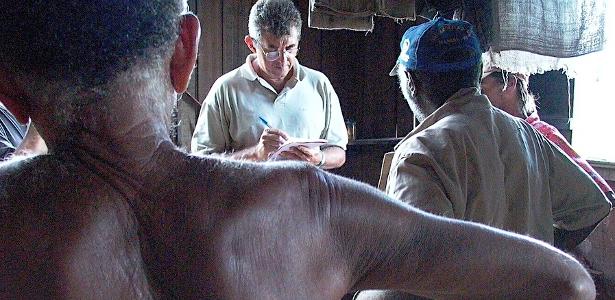
Presidential adhesion to the fight against slavery
Lula (PT), Ronaldo Caiado (PSD) and Augusto Cury (Avante) signed the Commitment Letter against Slave Labor, committing to make the fight against this crime and human trafficking an absolute priority if they win the presidential race. The initiative, which has mobilized candidates since 2006, has generated public plans and specific laws at different levels of government.
State candidates who joined the agreement
Six states with high numbers of rescues between 2003 and 2025 received invitations. In Minas Gerais, Cleitinho (Republicanos), Patrus Ananias (PT), Alexandre Kalil (PDT), Mateus Simões (PSD) and Túlio Lopes (PCB) joined. Also signing were Jerônimo Rodrigues (PT) in Bahia, Otaviano Pivetta (Republicanos) and Natasha Slhessarenko (PSD) in Mato Grosso, Daniel Santos (Podemos) and Araceli Lemos (PSOL) in Pará, Felipe Camarão (PT) in Maranhão and Daniel Vilela (MDB) in Goiás.
Main commitments assumed
- Do not promote companies caught with slave or child labor;
- Support companies that combat the problem in their supply chains;
- Guarantee legal and social assistance to migrant workers;
- Offer psychosocial assistance, basic and vocational education to rescued workers;
- Dismiss any officeholder who benefits from forced labor.
American tariffs and the Brazilian model
The Trump administration applied 12.5% tariffs on products from Brazil, China, India, Argentina, Israel and Japan, citing inability to block goods made with forced labor. Six other partners, including Canada, Mexico and the European Union, received a 10% rate. Brazil, despite this, is internationally recognized for its “dirty list” and surgical action against employers in supply chains.
Data on slavery in the Americas
According to the Global Slavery Index by Walk Free in partnership with the ILO, the United States has nearly 1.1 million people in conditions analogous to slavery, the highest number in the Americas, and leads imports of goods at risk of forced labor, totaling almost 170 billion dollars.
Legal definition in Brazil
The Lei Áurea of 1888 abolished formal slavery, but article 149 of the Penal Code has punished forced labor, debt bondage, degrading conditions and exhausting work hours since the 1940s. Since 1995, more than 70 thousand workers have been rescued in farms, mining, civil construction, textile workshops and domestic work.