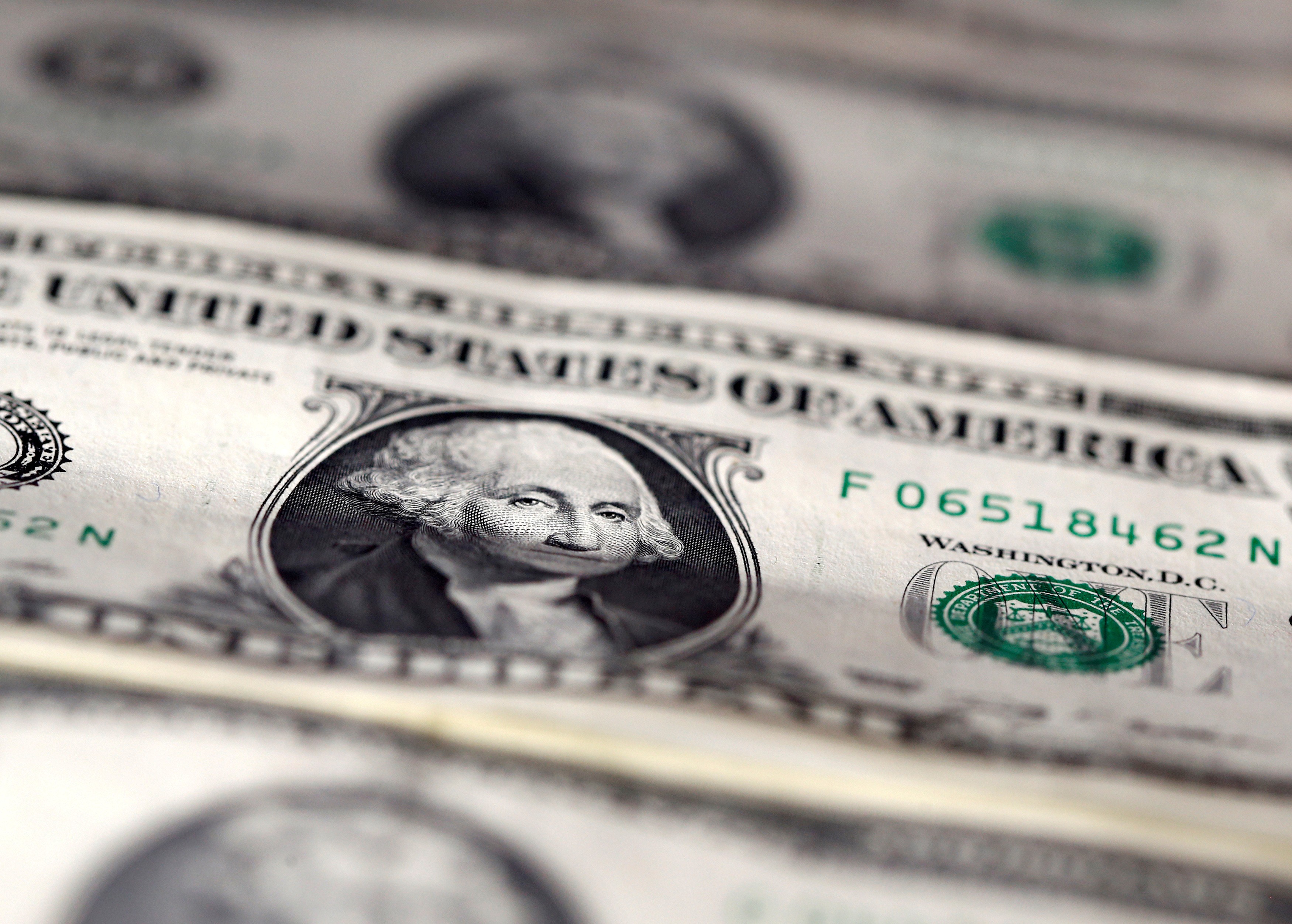
The wave of risk aversion once again dominated Wednesday's trading session (9). The dollar ended the day at R$ 5.1116, after rising 0.51%, while the Ibovespa — a thermometer of the Brazilian stock market — gave up 0.93% and closed at 185,629 points.
Oil at the center of attention
The move was no accident. What set the pace on trading desks was another round of sharp oil gains, driven by intensifying geopolitical tensions on the international stage.
With the barrel on an upward trajectory, the market began pricing in two simultaneous effects:
- Global inflationary pressure, since the commodity's rising cost tends to spread through transportation, production and energy costs;
- A search for protection, which traditionally favors assets considered safe, such as the dollar.
Currency and stock market head in opposite directions
In the foreign exchange market, the U.S. currency found fertile ground to rise. The 0.51% gain took the exchange rate to R$ 5.1116, reflecting both demand for hedges and investors' caution amid a more turbulent external scenario.
Equities, in turn, took the opposite hit. The Ibovespa could not withstand the defensive mood and fell 0.93%, ending the session at 185,629 points — a clear sign that risk appetite gave way to selectivity.
What to watch from here on
The market remains laser-focused on two points:
- The evolution of the tensions that have been sustaining oil's rise;
- The repercussions of this pressure on inflation expectations and, consequently, on monetary policy.
Until this picture becomes clearer, the trend is one of persistent volatility, with the dollar finding room to firm up and the stock market alternating between moments of relief and correction.