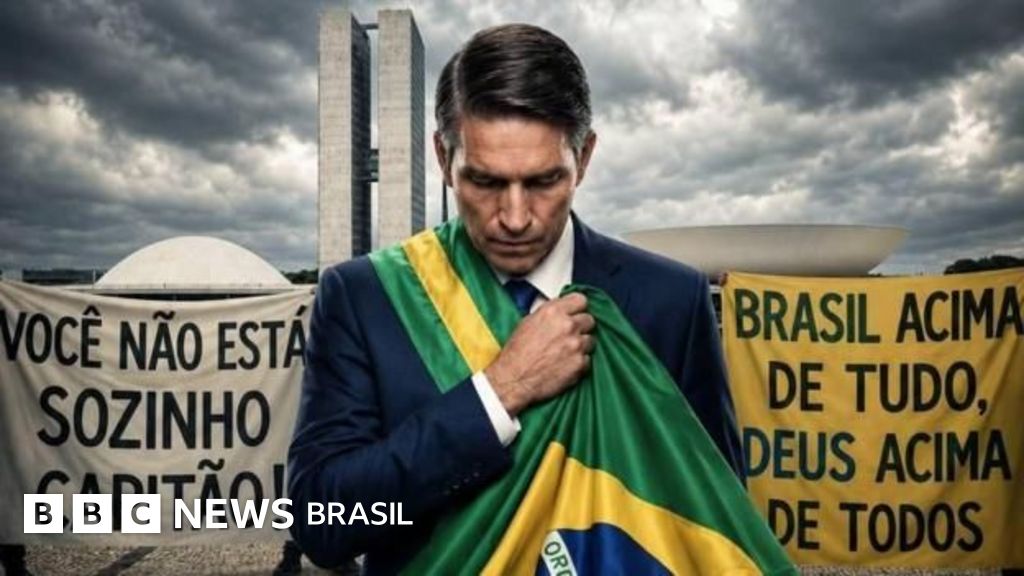
A plot that begins far from the cameras
An audiovisual project about the trajectory of Jair Bolsonaro (PL) has come to occupy space in an investigation that, at its origin, is anything but political. The case stems from an investigation into a femicide led by the São Paulo Civil Police and monitored by the state Public Prosecutor's Office — and it is on this ground that a name emerges that investigators associate with the Primeiro Comando da Capital (PCC).
According to reporting by BBC News Brasil, this businessman appears linked, through commercial and corporate relationships, to a person close to the owner of the production company responsible for "Dark Horse", the film that sets out to narrate the life of the former president.
The intersection between a violent death investigated as a femicide and a biographical feature film is the thread that authorities are now trying to untangle.
What the documents show
According to the case files analyzed, the femicide investigation gathered elements pointing to a businessman identified as a member or partner of a structure linked to the PCC. This same man, according to the investigations, maintains ties to someone in the circle of the person in charge of the film's production company.
The central point, therefore, is not the content of the film nor its artistic choices, but the web of financial and business relationships surrounding those who produce the project. It is this network that the Civil Police and the Public Prosecutor's Office are trying to map.
- The origin: an investigation into a femicide in São Paulo
- The figure: a businessman alleged to be linked to the PCC
- The bridge: commercial ties to a person close to the production company's owner
- The product: the film "Dark Horse", about Jair Bolsonaro
How the PCC enters the story
The faction appears in the investigation not as the protagonist of the case, but as the backdrop to the suspicions. Investigators are trying to understand whether the businessman cited would operate in businesses with branches linked to the Comando — and, from there, whether such connections would reach the financing or the corporate structure of the production company.
There is, so far, no court ruling confirming these suspicions. The investigations remain under seal, and none of the people cited has been convicted. For now, these are hypotheses that authorities want to clarify as the inquiries continue.
The film and the noise around it
"Dark Horse" had been presented as a production that sets out to reconstruct Bolsonaro's political rise. Even before its release, the film was already drawing attention for its subject — and now the interest shifts from the content to the origin of the funds and to the people who run the production company.
It is precisely this shift that turns a cinematic work into a piece of an investigative puzzle, in which politics, organized crime and business become entangled.
What remains to be clarified
The next chapters depend on the progress of the investigations. The central questions are straightforward:
- What, in fact, is the nature of the relationship between the businessman cited and the production company?
- Are there financial transfers or equity stakes among those involved?
- Did the name associated with the PCC play any role in the project, or does it merely move in the same business circles?
For now, what exists are pieces of evidence gathered in an investigation and a film that, unwittingly, became part of a criminal inquiry. The definitive answer still depends on the investigators — and on any statements from the defenses of those cited, which the report sought out.