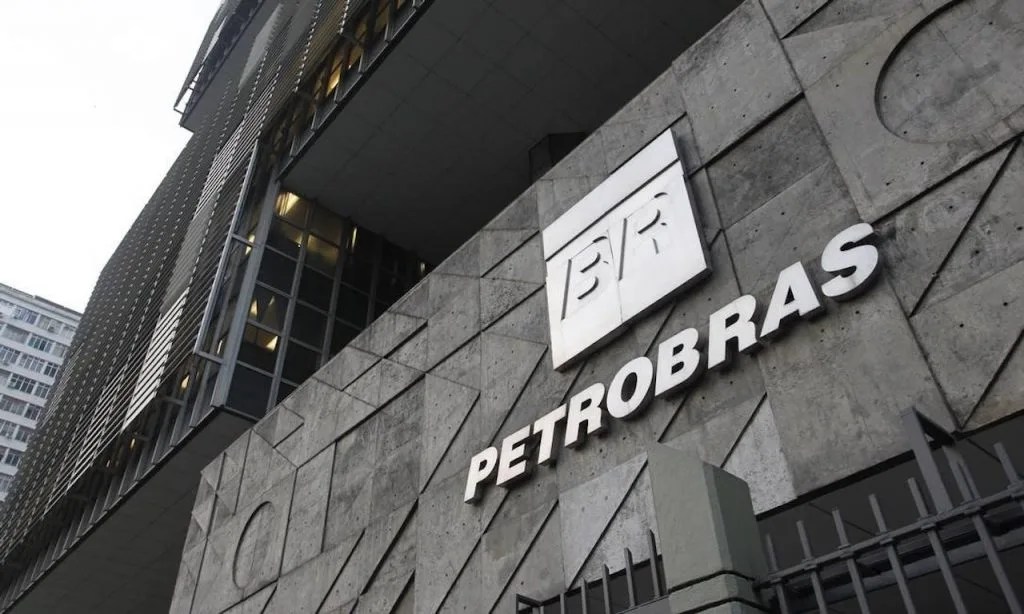
An announcement that lasted only a few hours
Petrobras (PETR3;PETR4) experienced an atypical early morning this Thursday (10th) and turned what would have been a simple price adjustment into an episode with immediate market repercussions. The company announced an increase of R$ 0,19 per liter in the price of gasoline passed on to distributors — and, hours later, backtracked and corrected the released information.
The back-and-forth caught investors, analysts, and fuel sector agents by surprise. After all, it's not just about cents at the pump: at stake is the market's reading of the consistency of the state-owned company's decisions.
What happened
The sequence was short and confusing:
- The state-owned company announced an adjustment of R$ 0,19 per liter for gasoline sold to distributors;
- Hours later, the statement itself was corrected, undoing the initial understanding;
- The correction came in the middle of the night, when market liquidity is low and investors' ability to react is limited.
In practice, the episode left a question hanging: who defines, and with what clarity, the price that leaves the refinery?
Governance under scrutiny
For experts, the problem goes beyond the number. Predictability is one of the main assets of a publicly traded company the size of Petrobras, and noises of this kind tend to be read as a sign of fragility in internal decision-making and communication processes.
> When a mixed-capital state-owned company revises a price announcement a few hours after publishing it, the message that reaches the market is one of uncertainty — not about the value, but about the method.
The predominant reading among analysts is that the incident reinforces the perception of risk for the pricing policy, precisely the point that the market has been monitoring most closely since the change in the company's management.
Why this matters
Petrobras' pricing policy is one of the most sensitive topics in the Brazilian economy. It influences:
- consumer inflation, through pass-through to pumps;
- the refining margin and the state-owned company's profitability;
- the competitiveness of distributors and importers;
- and, at the end of the chain, the logistics cost of the entire economy.
Therefore, any doubt about how and when adjustments are defined reverberates quickly — from the trading floor to the gas station.
What to watch going forward
The market should focus attention on three fronts:
- Clarity: whether the company will publicly detail what motivated the correction;
- Regularity: whether the next adjustments will follow predictable technical criteria;
- Confidence: whether the episode will remain isolated or will be repeated in future statements.
Meanwhile, the lightning backtrack has already played a role: it put back at the center of the debate an issue that never leaves the scene — that when it comes to fuel prices, transparency and governance are worth as much as the announced number.