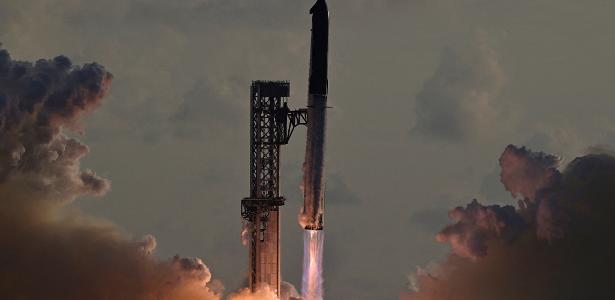
Commercial Flight Incident
During the most recent Starship launch, one of the three Raptor engines shut down unexpectedly right after separation from the booster rocket. Despite the failure, the spacecraft successfully reached orbit and carried out its first satellite deployment mission in orbit.
Risks for NASA
The failure especially concerns the American space agency, since the Starship lunar lander relies on the same propulsion system to carry astronauts to the Moon's surface and bring them back. Any fix requiring changes across the entire fleet could delay scheduled tests.
Experts note that the impact will depend on whether the problem was isolated or reveals a broader design flaw.
Pressure on the Artemis Program
The real urgency stems from NASA's goal of landing astronauts on the Moon by 2028, ahead of China. The Artemis 3 mission, planned for 2027, depends on full Starship functionality to test low-orbit maneuvers.
Previous issues with the methane-fueled engines have already caused delays in earlier flights, such as those in May and July this year.
Space Competition
SpaceX, founded by Elon Musk in 2002, competes with Blue Origin, owned by Jeff Bezos, for the Artemis lunar lander contract. NASA views the rivalry as positive for accelerating development, despite the successive postponements.
If both systems are ready, two landers could participate in Artemis 3, demonstrating orbital operations with their engines.