Thruster Problem Complicates Plans of the American Space Agency
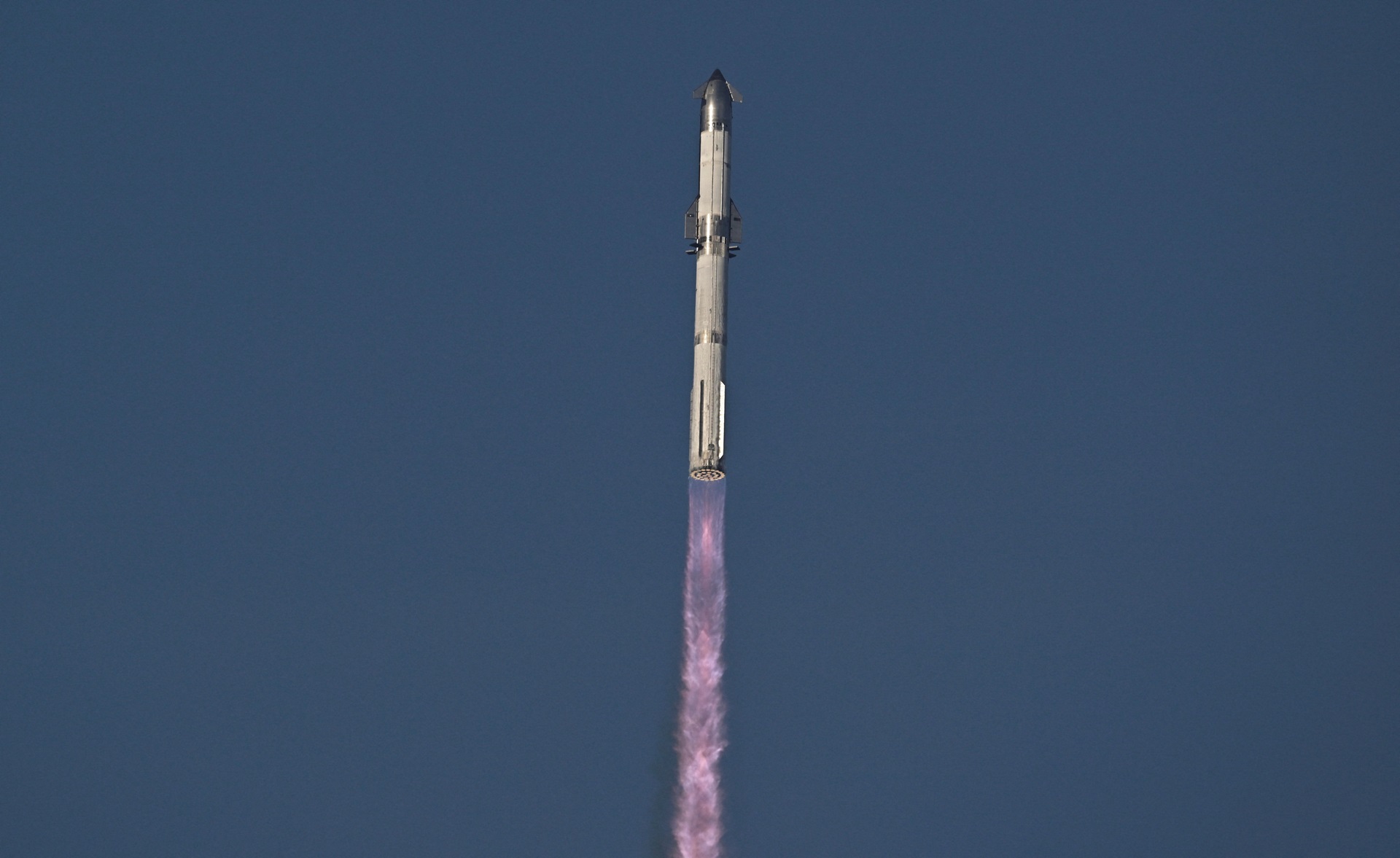
A failure in one of Starship's main engines during its 14th test flight, conducted in Texas, could jeopardize NASA's Artemis program deadlines. The SpaceX spacecraft, responsible for carrying humans to the Moon and bringing them back, experienced an unexpected Raptor engine shutdown right after booster separation.
Despite the setback, the mission successfully placed the spacecraft in orbit and carried out the first commercial satellite launch. However, engineers are now investigating whether the incident was isolated or indicates a larger design issue.
Direct Impact on the Artemis Program
NASA plans to use Starship as the lunar landing module as early as the Artemis 3 mission, initially scheduled for next summer in the Northern Hemisphere. Any delays in subsequent flights, including the test of the spacecraft's capture by the launch tower, could affect that date.
Dean Sladen, aerospace engineer at Accu Components, warned that extensive repairs to the methane-fueled engine fleet represent the greatest risk. These components are complex and expensive, and similar issues have occurred in previous tests, such as flight 12 in May.
Fierce Competition in the Space Sector
SpaceX, founded by Elon Musk, competes with Blue Origin, owned by Jeff Bezos, for NASA's lunar module contract. The American agency considers this rivalry healthy, especially given the accumulated delays in Starship tests.
NASA's official goal is to return astronauts to the lunar surface by 2028, a target viewed as ambitious. China, in turn, plans a crewed landing by 2030.
- SpaceX Goals: Expand the Starlink constellation and fulfill contracts with NASA.
- Identified Risks: Recurring failures in the propulsion system may require changes across the entire fleet.
- Next Steps: Full root cause analysis before new launches.