Impact of ocean warming
Researchers warn that rising sea levels, driven by climate change, are expected to create favorable habitats for more than a hundred invasive marine species by mid-century. The work, published in the journal Nature Ecology & Evolution, projects that currently dry coastal regions will become submerged and serve as a bridge for exotic organisms.
Species in focus
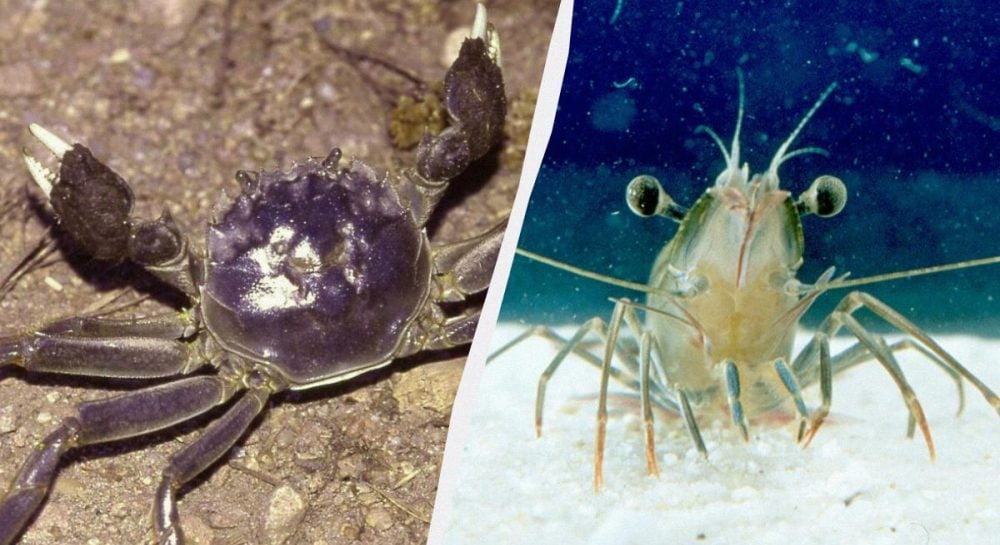
Among the main risks are the Chinese mitten crab, the Pacific oyster and the Asian tiger shrimp. These animals compete with native species, alter food chains and generate significant economic losses. Estuaries, where fresh and salt water mix, are the most vulnerable points, as they concentrate human activities and offer ideal conditions for colonization.
Numerical projections
- Moderate emissions scenario: average rise of 20 cm by 2050
- New habitable areas: between 290 thousand and 470 thousand km² (equivalent to the area of Italy)
- Species that may occupy up to two-thirds of these zones: Pacific oyster, blue crab and rapa whelk
Some organisms, such as the striped sea biscuit and the Indo-Pacific floating crab, are expected to gain the largest territorial increases.
Need for early action
The authors highlight that current monitoring is insufficient and recommend specific surveillance strategies for coastal and estuarine areas. Without preventive measures, biodiversity loss and impacts on fisheries and ecosystem services could be severe. The study reinforces that planning now is essential to limit future damages.