An ending of ups and downs
The 2026 edition of Rock in Rio lowered the curtain this Sunday, the 13th, leaving a bittersweet taste for the audience. If on one hand the festival delivered reunions that went down in history, on the other it piled up uneven performances that frustrated part of the fans who walked through the gates of Cidade do Rock.
The closing was handled by the duo Twenty One Pilots, chosen to headline the final night with a vigorous, energy-packed show — a gamble that split social media, but that fulfilled the mission of closing the marathon in a euphoric mood.
Elton John and the comeback no one expected
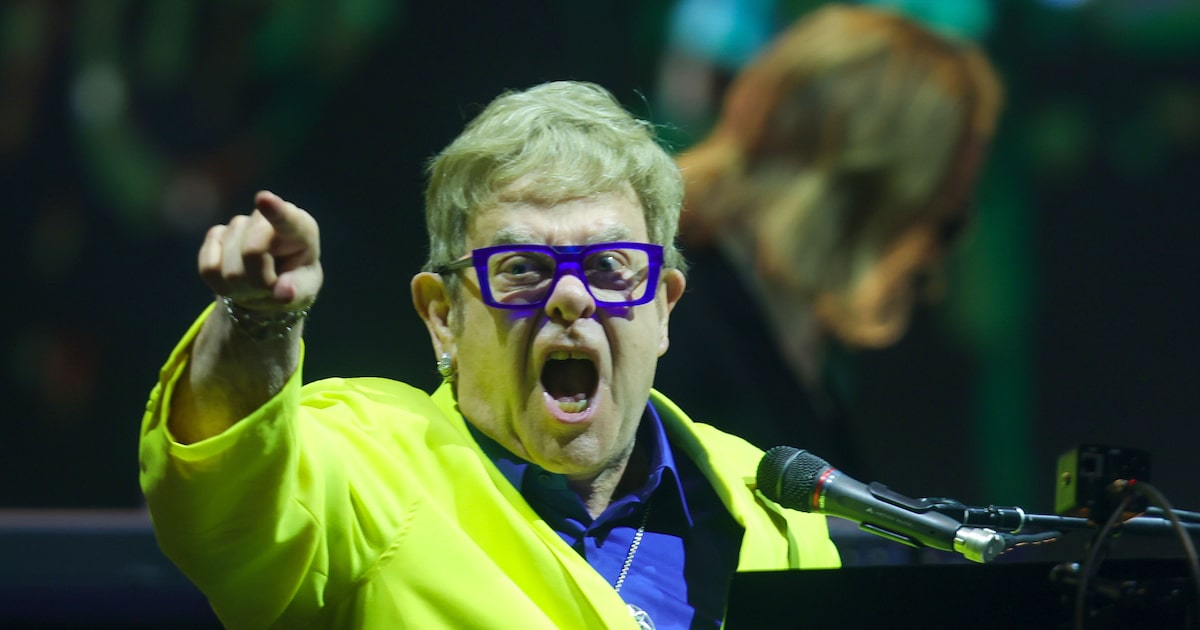
The most talked-about moment of the festival, however, came earlier. Elton John, who had announced his farewell from the stage, reconsidered the decision and took the Rock in Rio stage, turning the edition into a landmark. The British singer's return to action drew crowds and became the dominant topic throughout the week, overshadowing much of the other attractions.
Entertainment market experts see a strategic move in the episode: large festivals have increasingly invested in career reactivations as a way to guarantee sold-out tickets and global buzz.
K-pop's turn at the top spot
Another point that defined 2026 was the consolidation of k-pop — a pop genre originating in South Korea, marked by synchronized choreography and highly engaged fandoms — as the headline attraction of one of the biggest festivals on the planet. The change signals a shift in the audience profile and in the event's curation priorities.
Swedish singer Zara Larsson also shone, delivering sunny pop that energized the crowd and served as a light counterpoint amid more intense line-ups.
What fell short
Not everything was a success. Part of the lineup drew criticism for lukewarm performances, sound problems at certain times and questionable artistic choices that divided the audience and sparked complaints online.
- Some artists failed to live up to the expectations built before the festival.
- Lower-profile time slots concentrated the edition's biggest disappointments.
The legacy of 2026
By balancing nostalgia, global trends and risky bets, Rock in Rio 2026 ended as a faithful portrait of an industry in transformation: more connected to international pop, more dependent on major comebacks and increasingly contested among distinct fan niches. It remains to be seen which of these choices will repeat at the next edition — and which will remain only as a lesson.