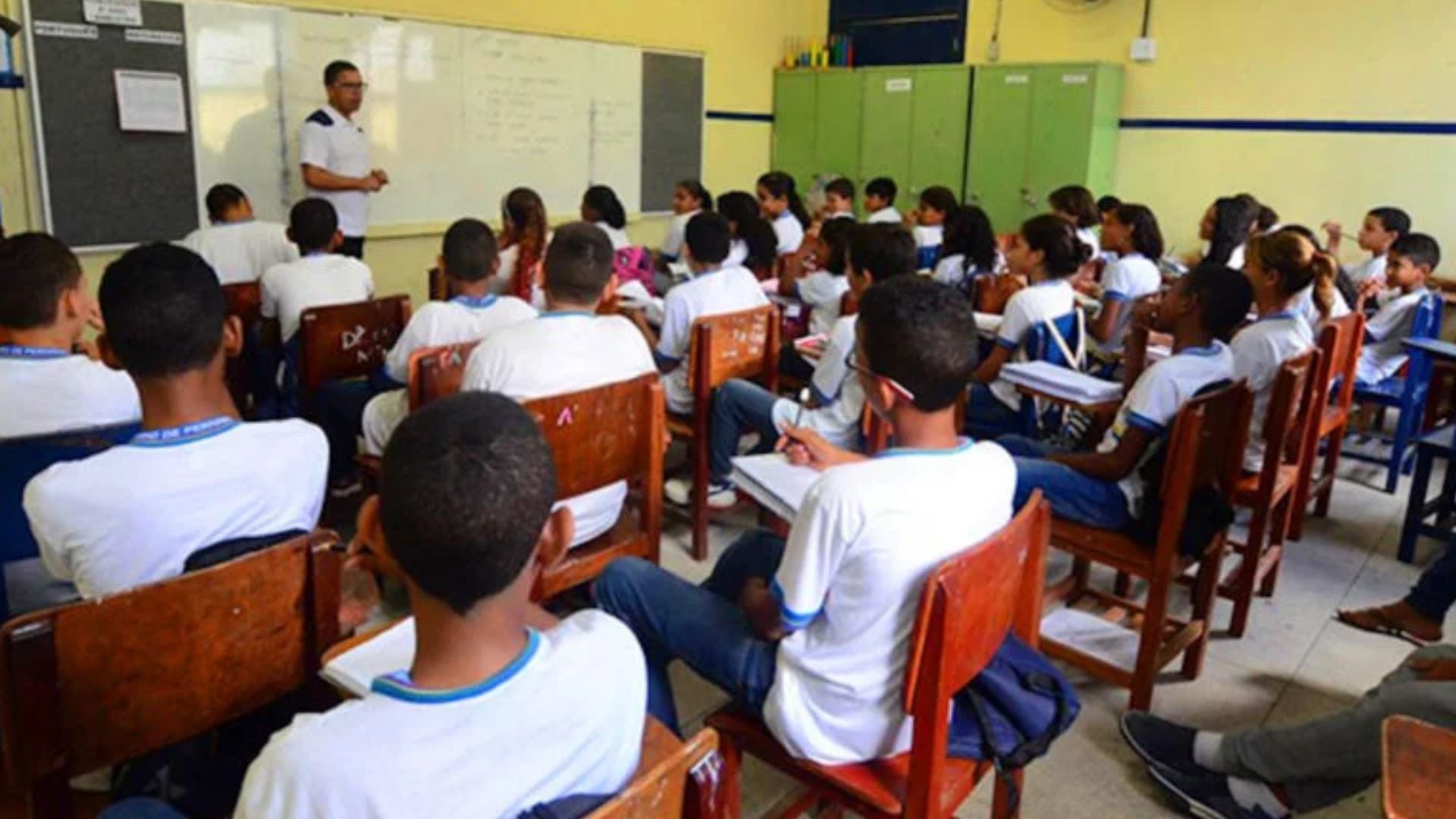
São Paulo consolidates its place among the country's best in Pisa
The performance of São Paulo's state school system in Pisa (Programme for International Student Assessment) placed the state in 2nd position among the 27 federal units. The result is repeated in all three areas assessed by the exam: reading, mathematics and science.
Under the administration of Tarcísio de Freitas (Republicanos), who has led the São Paulo executive branch since 2023, São Paulo recorded 427 points in one of the subjects measured — a level that sustains its prominent placing in the assessment's national ranking.
A trajectory of growth
This strong positioning is not an isolated phenomenon. According to the consolidated data, the state has climbed nine positions since 2006, when the first breakdowns by federal unit began to be compared. The trend points to a consistent trajectory of improvement over nearly two decades.
The advance draws attention because it comes at a time of fierce political dispute, with educational performance serving as a showcase for both allies and opponents of the state government.
What Pisa measures
Administered to 15-year-old students, Pisa is run by the OECD (Organisation for Economic Co-operation and Development) and is today one of the main global references for comparing education systems. The test assesses:
- Reading, focusing on interpretation and the social use of text;
- Mathematics, measuring reasoning applied to real-world situations;
- Science, with an emphasis on explaining phenomena and analysing evidence.
In Brazil, results are usually broken down by state and by school system, which makes it possible to identify which systems are advancing fastest and where bottlenecks remain.
A political reading of the result
Second place nationally in all areas tends to fuel the official narrative that São Paulo has become a reference for teaching quality. On the other hand, experts recall that national rankings do not mean high performance by international standards: the country as a whole still occupies middle or low positions in the global comparison.
Even so, São Paulo's figures serve as an argument for the state administration in an election year, when education is among the most sensitive issues for voters. It remains to be seen whether the progress observed since 2006 will translate into lasting improvements in learning for São Paulo's students.