Race against the deadline in Singapore
From October 1, the national beverage container return scheme (BCRS) enters full force in Singapore. Retailers must now remove from shelves products without the mandatory deposit label, under penalty of fines.
Despite six months of transition and aggressive promotions, many smaller establishments failed to clear stock in time.
Adherence to the tolerance period
More than two thousand merchants, mainly minimarkets and neighborhood stores, requested an extra month of grace from the National Environment Agency (NEA). To date, 85% of reviewed requests have been approved.
Large supermarket chains have completed the merchandise swap, but neighborhood stores still apply stickers manually or offer discounts of up to 60% to liquidate old items.
Impact on different segments
- K-Market: nine Korean branches still hold over 18,000 unsealed units and received the extension.
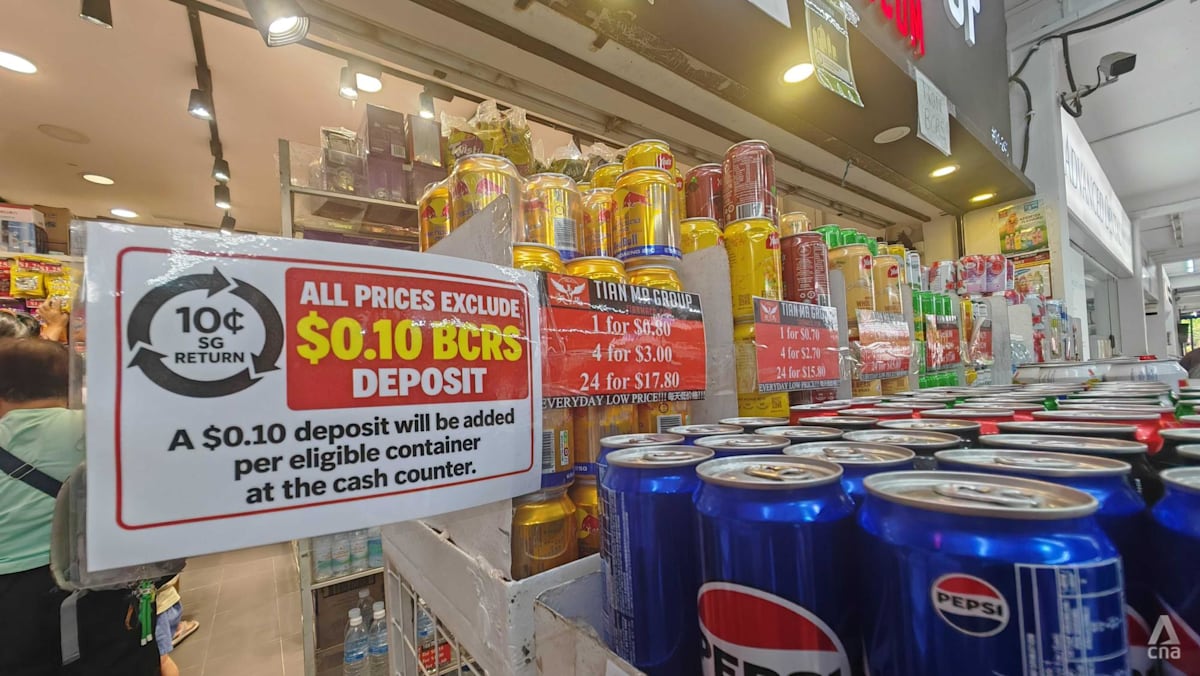
- Tian Ma Group: 20 outlets did not obtain the grace period and will return remaining stock to the warehouse by the end of September 30.
- Cafes and restaurants: most already operate only with compliant products, as they maintain fast turnover and low inventory.
Challenges for importers
Companies importing craft beers and non-alcoholic drinks report increased costs and bureaucracy. Registering each new flavor requires photos, weighing and prior approval, which hinders market testing and raises the final price to consumers.
Program objective
The BCRS charges a 10-cent refundable deposit per metal or plastic container. Consumers recover the amount by returning the container at automatic machines spread across the city. The visible label indicates that the product participates in the system.
Merchants still holding unmarked stock have until October 31 to regularize the situation, provided they have obtained the extension authorized by the NEA.