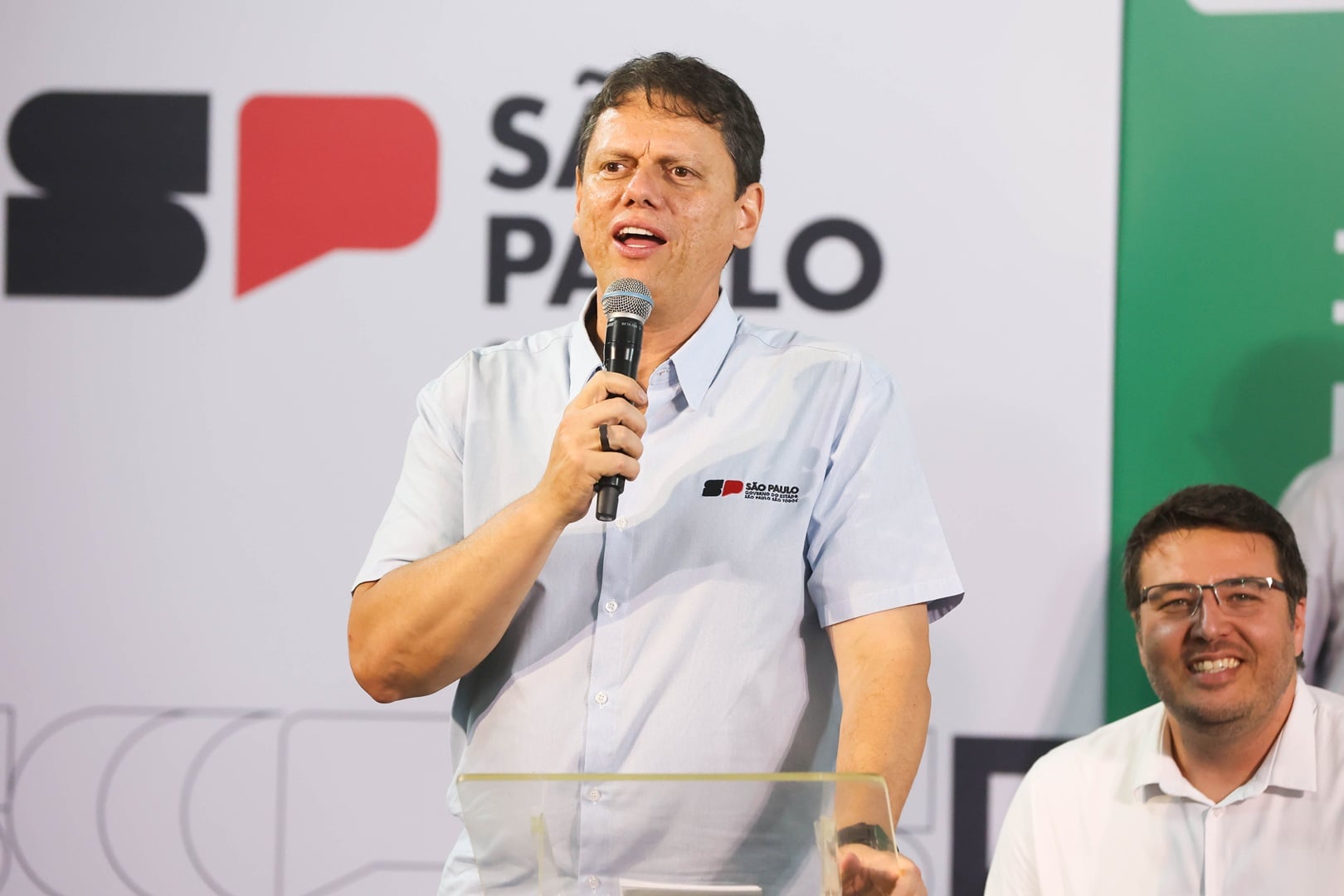
The governor of São Paulo, Tarcísio de Freitas (Republicanos-SP), took to social media this Wednesday (September 9, 2026) to celebrate the state's performance in Pisa, the Programme for International Student Assessment. According to the head of the São Paulo state executive branch, this is the best result ever recorded by São Paulo since the state began being assessed separately in the survey.
The numbers behind São Paulo's performance
The data released points to three assessment areas:
- Science: 443 points
- Reading: 434 points
- Mathematics: 404 points
In every area, the performance of São Paulo students was above the national average, which reinforces the state government's narrative about the quality of teaching in the school system.
What the governor says
Tarcísio attributed the result to a set of education policies implemented during his administration, mentioning investments in school infrastructure, teacher training and curriculum changes.
"It is the best result in the history of São Paulo," declared the governor, who also linked the performance to academic support programs and to extending the amount of time students spend in school.
Reaction and context
Pisa is administered every three years by the OECD (Organisation for Economic Co-operation and Development) and measures the ability of 15-year-old students to apply knowledge in everyday situations. The exam is considered one of the main gauges of basic education in the world.
The government's reading is that the numbers consolidate a recovery trajectory that began after the damage caused by the covid-19 pandemic, a period in which there was a widespread decline in learning across the country.
Experts, however, tend to caution that advances in international assessments must be viewed with care, since they involve multiple factors — from socioeconomic changes to shifts in the profile of the students assessed.
What lies ahead
Even so, the state administration intends to use the results as a basis to justify the continuation and expansion of its education programs. The expectation is that the full Pisa data, broken down by school system and student profile, will be detailed in the coming weeks.
The topic is likely to return to the center of public debate in São Paulo, especially at a time when education appears among the main issues of political contention in the state.