Tie within the margin of error
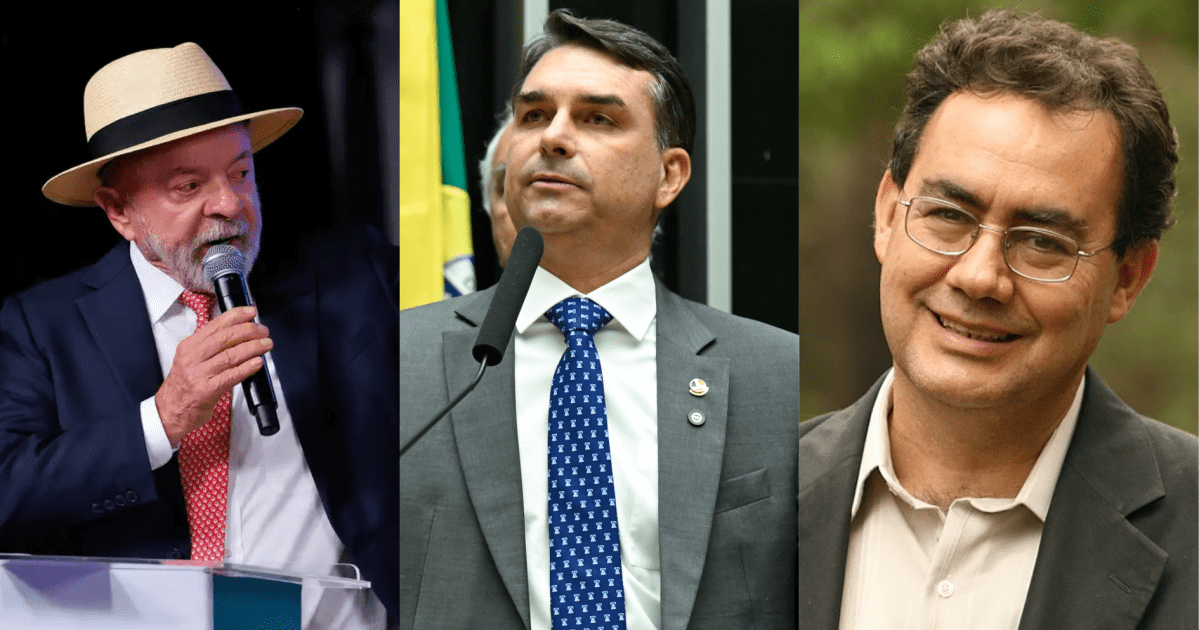
President Luiz Inácio Lula da Silva (PT) appears in a technical tie in second-round simulations against two different adversaries, according to a survey by the Nexus institute in partnership with BTG Pactual. The tested matchups put the PT member face to face with Senator Flávio Bolsonaro (PL) and with writer Augusto Cury (Avante).
The data were made public this Monday (14) and indicate disputes with no defined winner in both scenarios, since the observed differences fall within the range of fluctuation predicted by the study itself.
The weight of the margin of error
With a margin of error of two percentage points, plus or minus, any advantage smaller than this interval does not allow one to safely state who is ahead. This is exactly the reading made of the two simulated clashes: numerically there is a lead, but it is not statistically consolidated.
In practice, the concept of a technical tie means that the real result could be at any point within this margin — that is, the race remains open and can be reversed depending on the scenario.
How the survey was conducted
- Polling institute: Nexus, in partnership with BTG Pactual
- Voters interviewed: 2.003
- Collection period: between September 11 and 13
- Release: Monday (14)
- Margin of error: two percentage points, plus or minus
The combination of the sample size and the short field period indicates a snapshot of the electorate, captured over three days.
What the numbers suggest
The configuration outlined by Nexus/BTG reinforces a trait already present in recent surveys: the polarization between the government camp and the opposition continues to produce close races when the scenario is taken to a possible second round.
The survey also tests names outside the traditional axis of power, such as that of writer Augusto Cury, affiliated with Avante, signaling that the institute sought to measure the competitiveness of less conventional alternatives on the electoral board.
Next chapters
Vote intention polls work as snapshots of a specific moment and not as a prediction of results. Changes in the mood of the electorate, in economic news, or in the configuration of candidacies tend to modify the numbers in the following weeks.
Therefore, the safest reading of the Nexus/BTG survey is that of a still undefined scenario: both the president and his two potential adversaries appear in a condition of real dispute, without consolidated favoritism in any of the simulated matchups.