A scenario that looked promising
The U.S. capital markets had been fueling expectations of a new crop of initial public offerings in the technology sector. Mature startups, established unicorns and buzzy artificial intelligence names were beginning to test a return to the stock exchanges after a long period of closed doors.
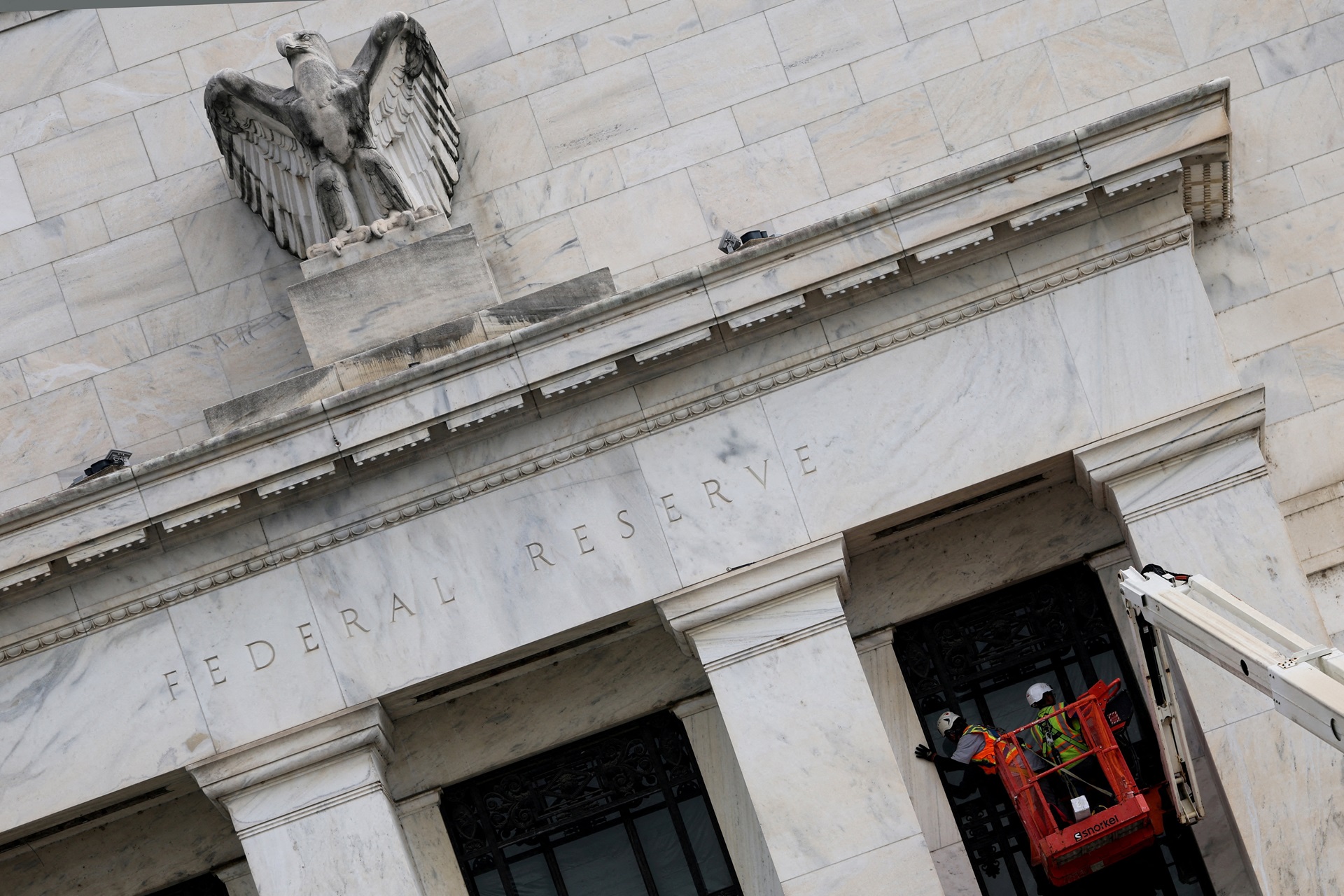
That script, however, depends on a variable no company controls: the Federal Reserve's monetary policy.
"Long-duration" assets: what that means
In market jargon, technology companies are classified as long-duration assets. The expression is no accident.
- Much of a tech company's value is projected in cash flows that are only expected to materialize many years from now.
- When an investor brings those distant profits into the present, they apply a discount rate — and that rate goes hand in hand with the economy's benchmark interest rate.
- The higher the rate, the lower the present value of those future profits.
The result is a direct correlation: technology and interest rates often move in opposite directions. No other sector is as sensitive to the mood of the U.S. central bank.
A double threat for those wanting to go public
For a company planning to debut on the stock exchange, the effect multiplies. It is not enough for valuations to fall in the secondary market — institutional investors' appetite for risk itself shrinks when the cost of money rises.
U.S. government bonds, seen as a safe haven, begin to offer attractive returns with near-zero risk. Faced with that alternative, betting on a young company with distant profits and uncertain execution loses its appeal.
It is a double obstacle:
- Valuation under pressure from the higher discount rate.
- Weakened demand for new issues in an environment of risk aversion.
The Anthropic case as a barometer
Artificial intelligence companies such as Anthropic illustrate this tension well. They are capital-intensive businesses that do not yet deliver consolidated profits and whose potential is projected a decade into the future.
In other words, they fit the long-duration asset profile perfectly. If the Fed signals that it intends to hold or raise rates, the path to an initial public offering becomes considerably narrower — not because of operational failings, but because of financial mathematics.
What the market is watching
Special attention falls on:
- The trajectory of interest rates and the tone of the Fed's statements.
- Inflation and employment data, which shape the monetary authority's decisions.
- The performance of technology indices, a barometer of risk appetite.
- The calendar of stock market debuts, which serves as a confidence signal.
What is at stake
The relationship between interest rates and technology is not an academic curiosity — it determines how many companies actually manage to reach the public market, and under what conditions.
If the Fed adopts a tougher stance, the IPO queue may simply disperse: companies postpone plans, investors pull back and the cycle loses momentum. If, on the contrary, there is room for easing, the window reopens quickly.
For now, the message is clear: in the world of technology, the calendar of stock market debuts is not dictated by innovation alone. It is dictated, to a great extent, by the U.S. benchmark interest rate.