A campaign promise in the trillions
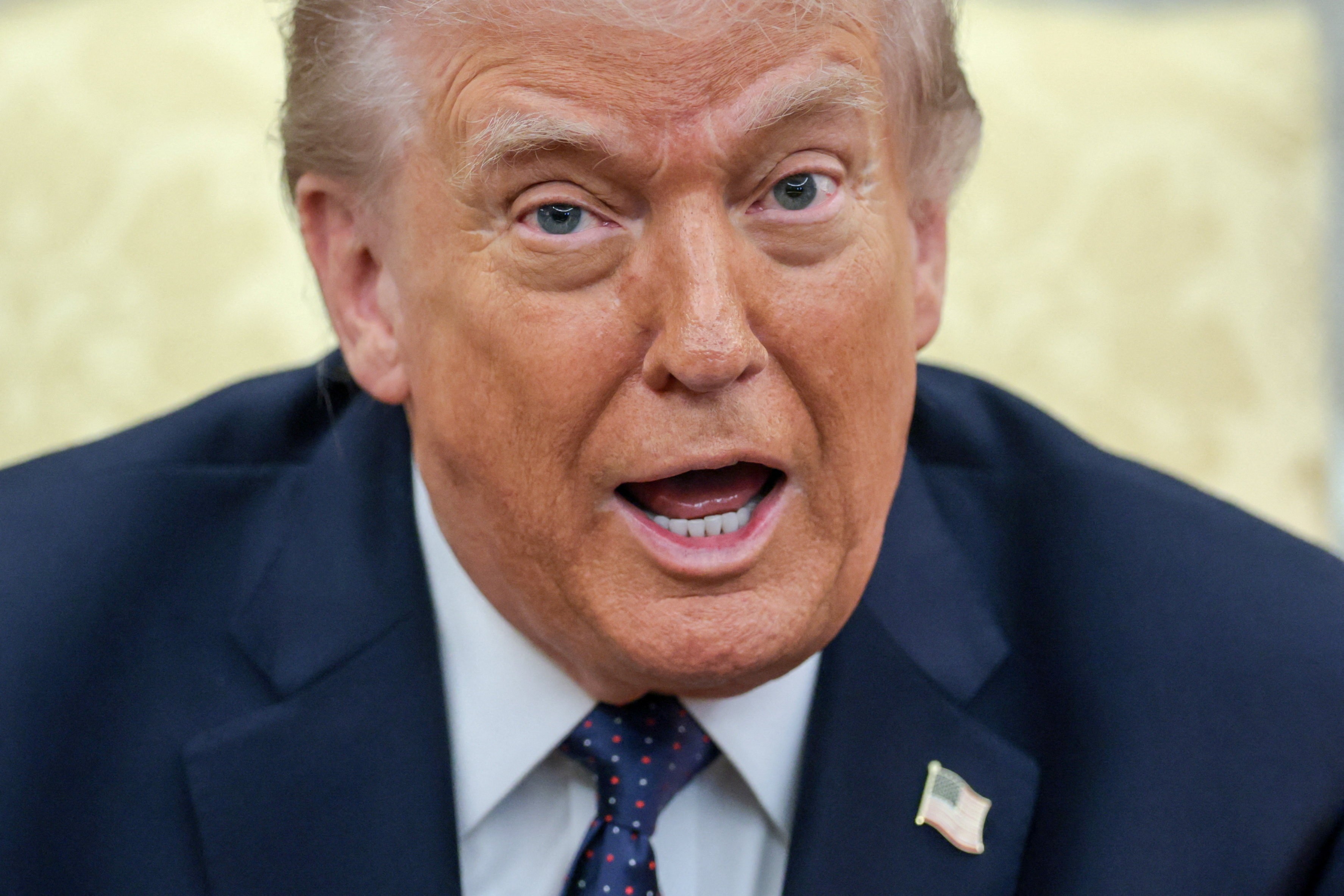
Donald Trump floated a payment of $5,000 — equivalent to approximately R$ 25,000 at the current exchange rate — to every American adult citizen. The announced condition is clear: the benefit would only move forward if the Republican Party manages to keep its majorities in the House of Representatives and the Senate.
Dubbed the "Trump Dividend" by allies, the idea was presented as a kind of direct return of public money to taxpayers. Experts, however, note that the math of the proposal is far more complicated than the announcement suggests.
How much it would weigh on the government's pocket
According to estimates cited by analysts, distributing $5,000 to every adult in the country would require around $1.2 trillion — a figure that rivals the largest federal spending programs in the United States. The amount corresponds to a significant share of the annual U.S. budget and has no defined funding source.
- Estimated cost: about $1.2 trillion
- Target audience: all American adults
- Political condition: Republican victory in both chambers of Congress
- Source of funds: not detailed
Without a clear revenue mechanism, the package could further pressure the public deficit and rekindle inflation fears — precisely the topic dominating the country's economic debate.
Wanting it isn't enough: it depends on the legislature
In the United States, no program of this scale moves forward by executive decision alone. Creating a direct transfer to the population requires congressional approval, meaning it must pass the House and Senate before any deposit.
In practice, the promise works more as electoral signaling than as a ready proposal. Even if Republicans keep control of both chambers, the text would need negotiation, voting, and signature — a long path subject to resistance within the party itself.
The Brazilian parallel: benefit in exchange for a vote
The discussion takes on different contours when brought to Brazil. Here, offering a personal benefit to a voter conditioned on their vote is treated as illegal vote-buying.
Article 41-A of the Elections Law provides for a fine and even the loss of registration or mandate for anyone offering money, goods, or an advantage in exchange for a vote. The conduct can also fall under Article 299 of the Electoral Code, which addresses vote-buying and provides for a sentence of up to four years in prison.
The central difference lies in the scope and nature of the offer:
- In the American case: the promise is generic, aimed at the entire adult population and tied to a national electoral result.
- In the Brazilian case: the irregularity is configured when the benefit is directed to a specific voter in exchange for their vote.
Still, jurists recall that using public money as electoral currency, even broadly, raises questions about abuse of economic power and the balance of the race.
Why the promise matters
Announcements of this kind tend to dominate the news for two reasons. The first is the fiscal impact: trillion-dollar figures move markets, interest rates, and inflation expectations. The second is the political effect: a promise of money directly in voters' pockets mobilizes them like few other issues can.
It remains to be seen whether the "Trump Dividend" survives the distance between the stump and the floor. Historically, universal transfer proposals announced during campaigns tend to shrink — or disappear — by the time they become law.