A rare truce in the most competitive sector in technology
In a market accustomed to releasing ever-faster models, a call for a brake sounded almost like heresy. Even so, that was precisely what Dario Amodei, CEO of Anthropic, the company behind Claude, advocated.
His thesis is straightforward: AI companies should move with more slowness and caution, because the time gained must be converted into risk-prevention mechanisms. What seemed like a lone voice, however, found an echo among direct competitors.
The central argument: slow down so as not to stumble
Amodei is not proposing to stop. He proposes moderating the pace.
- Move forward cautiously, instead of accelerating without measuring the consequences;
- Use each pause as a window to study failures and create safeguards;
- Treat prevention as a priority, not as a later stage.
According to the executive, the sector is facing a technology powerful enough to demand responsibility proportional to its reach. The implicit metaphor is that of a driver who, on an unfamiliar road, slows down to see the path better.
The rivals agreed — and that is not trivial
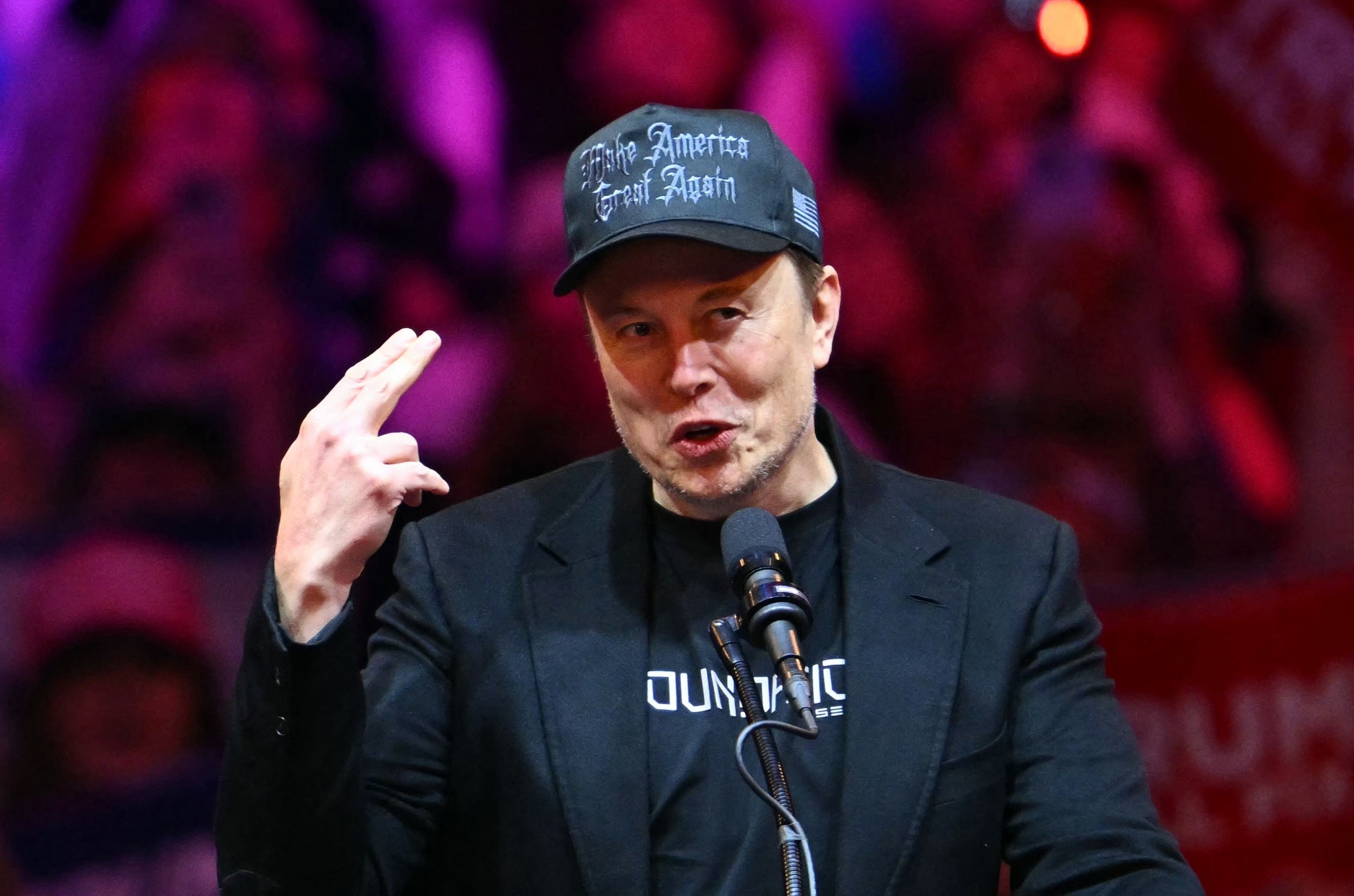
The curious detail is who agreed. In a landscape where OpenAI, xAI and Anthropic compete for users, investors and talent, public alignments are rare. Even so, figures such as Elon Musk, at the helm of xAI and Grok, and Sam Altman, of OpenAI and ChatGPT, expressed support for the idea of curbing unbridled progress.
The consensus, even if limited, reveals something bigger: concern with safety has ceased to be a niche discourse and has become part of the agenda of the leading labs.
Why this chorus matters now
When leaders competing for the same space say the same thing, the message gains regulatory and political weight.
- For governments: it signals that self-regulation may be insufficient and that external rules gain legitimacy;
- For companies: it creates reputational pressure on those who opt for maximum speed;
- For the public: it translates into accessible language a debate that usually remains confined to technical papers.
Caution, in this case, is not synonymous with delay. It is an attempt to anticipate problems before they become irreversible.
What is at stake in practice
Systems such as Claude, Grok and ChatGPT already circulate through schools, hospitals, newsrooms and legal departments. The deeper they enter people's routines, the greater the responsibility of those who build them.
Amodei insists that the time window gained from slower development should be invested in:
- more rigorous safety tests;
- transparency about capabilities and limitations;
- clear protocols for misuse;
- cooperation between labs and independent researchers.
Skepticism is healthy
Not everything is consensus. Critics recall that promises of restraint coexist with billion-dollar investments and increasingly frequent launches. For these analysts, talking about braking while stepping on the accelerator sounds contradictory.
Even so, the mere fact that the sector's leading names publicly admit the need for prudence changes the tone of the conversation. The debate has shifted from the question "is it possible to slow down?" to "how to slow down without losing relevance?"
What to watch going forward
The race for more capable models will not end. But the episode leaves a mark: safety has definitively entered the commercial equation.
Whether the agreement will translate into practice, only time will tell. For now, the sector that lives by pushing boundaries seems willing, at least in rhetoric, to respect some of them.