A record that became a symbol
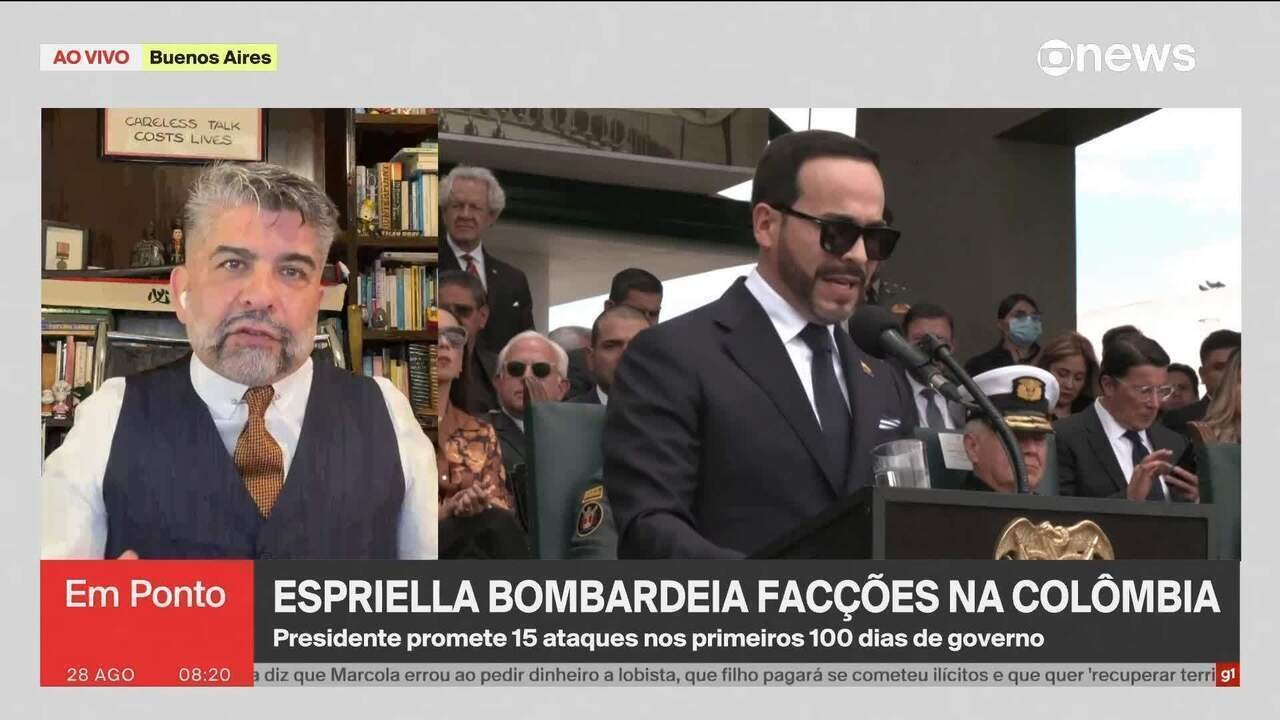
The image is direct and uncomfortable: Colombia's new president, Espriella, appears walking calmly among the bodies of alleged guerrillas killed in combat. The record, circulated on social media, quickly ceased to be just a photograph and became a central piece of the Colombian political debate.
For allies, it is visual proof of a campaign promise: zero tolerance for organized crime. For critics, it is a portrait bordering on a celebration of death that should concern any democracy.
What defenders say
The gesture was not treated as an accident. By circulating the images, the president himself signaled that they are part of his message.
- The walk among corpses is presented as a demonstration of presence in the territory;
- The episode is used to reinforce the idea that there will be no negotiation with armed groups;
- Supporters argue that firmness is the only possible response after years of rural violence.
The criticism
On the other side, the effect is the opposite. Human rights experts, parts of academia and some of the international press see in the episode a sign that the new government may loosen limits that should be untouchable.
The main objections revolve around three points:
- Humanity of the enemy: displaying bodies as a symbolic trophy contravenes basic principles of humanitarian law;
- Effect on the security forces: messages of this kind may be read by agents in the field as implicit authorization for excesses;
- Cycle of violence: critics argue that the logic of annihilation tends to fuel new waves of recruitment and revenge.
The June victory and the mandate born from these images
This is not an isolated episode. Analysts assess that the radical security platform was one of the engines of Espriella's victory in the June elections. The electorate, tired of decades of conflict in peripheral regions, responded to a discourse that swaps mediation for confrontation.
The paradox is evident: the more the president displays the brutality of combat, the more he consolidates the base that elected him — and the more he amplifies the chorus of those who fear the institutional cost of that strategy.
What to watch from now on
The controversy surrounding the images is not merely aesthetic. It foreshadows concrete disputes:
- What the new government's relationship with international human rights bodies will be like;
- Whether there will be changes in the doctrine governing the armed forces' operations;
- How public opinion will react if similar episodes are repeated.
For now, what remains is one certainty: the new president has chosen to turn violence into political language. And that choice, made in front of the cameras, has already begun to exact its price.