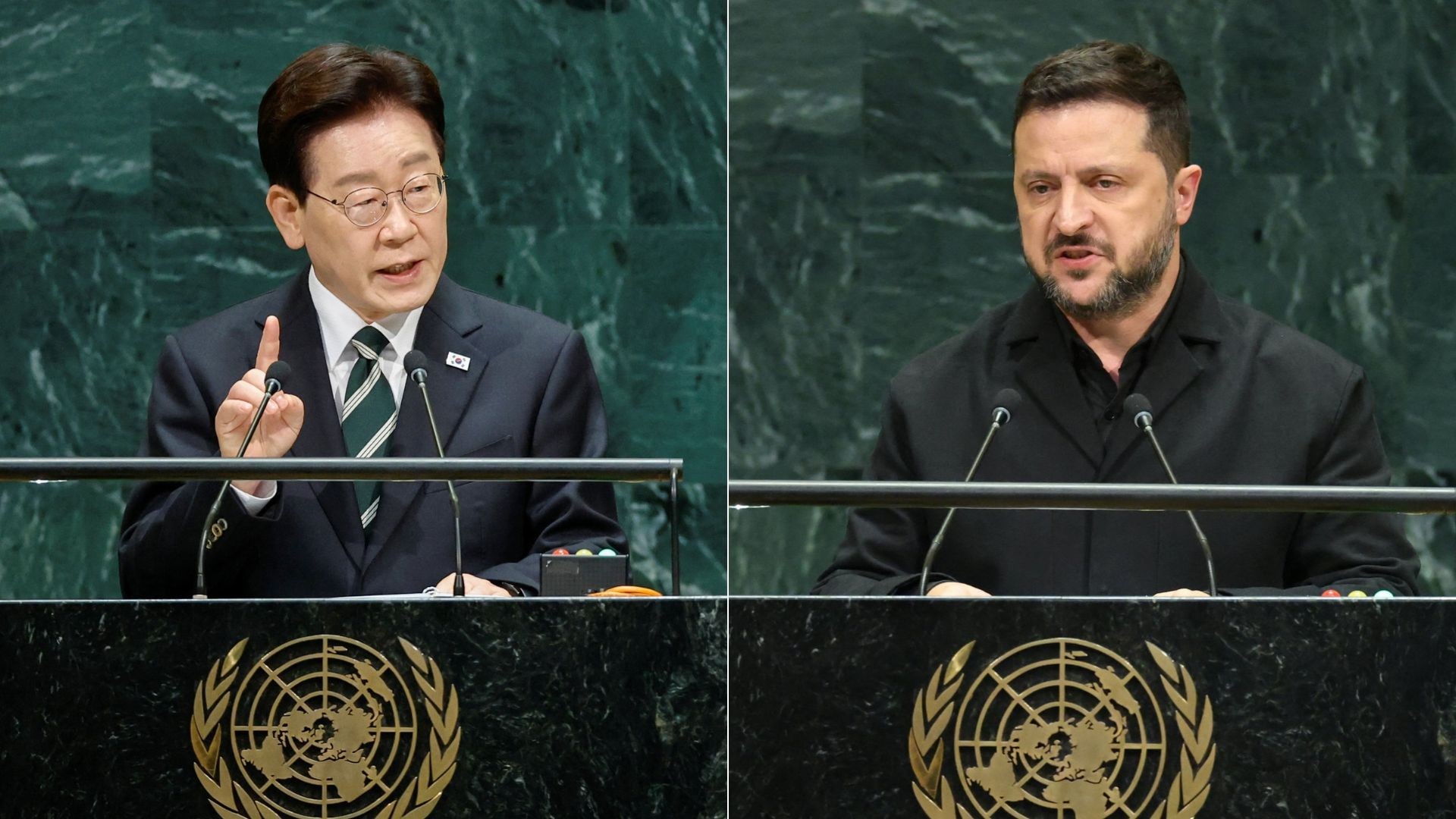
Speech at the UN Triggers Protest
During the United Nations General Assembly, Ukrainian President Volodymyr Zelensky revealed that two captured North Korean soldiers had been sent to South Korea. The statement, made without prior notice, prompted an immediate reaction from Seoul, which summoned the Ukrainian ambassador to demand explanations.
South Korea's Ministry of Foreign Affairs described the move as a violation of a confidentiality agreement and demanded a formal apology.
What Happened to the Soldiers
The two men were captured in 2025 by Ukrainian forces while fighting alongside Russia in the Kursk region. Still in Ukraine, they expressed a desire to live in South Korea and sent a letter to an NGO in Seoul requesting a “normal life.”
One of them told the press he had been recruited at age 17 for a reconnaissance unit. Seoul, which considers all Koreans its citizens under the Constitution, requested they not be returned to Pyongyang, where they could face reprisals.
Conflicting Versions on Confidentiality
South Korean President Lee Jae-myung stated that an agreement existed to keep the case secret, both for the soldiers’ safety and to avoid internal criticism in Ukraine. Kiev denied the existence of the pact and justified the disclosure as natural for an “open country.”
Seoul views the denial as an act that damages mutual trust and is already considering additional measures.
Seoul’s Support for Ukraine
Despite its advanced defense industry, South Korea has provided only humanitarian aid and non-lethal equipment, while also joining sanctions against Moscow. It recently pledged US$ 100 million in support but maintains its policy of not sending weapons to active conflict zones.
Next Steps
The two soldiers will undergo interrogations by the National Intelligence Service and security assessments before possible integration into South Korean society, under the North Korean Defectors Protection Act. The process may last up to 90 days and includes analysis of their physical and mental health.
Experts warn that the case blends international humanitarian law with South Korea’s position of treating North Koreans as citizens, which could generate new diplomatic frictions.